
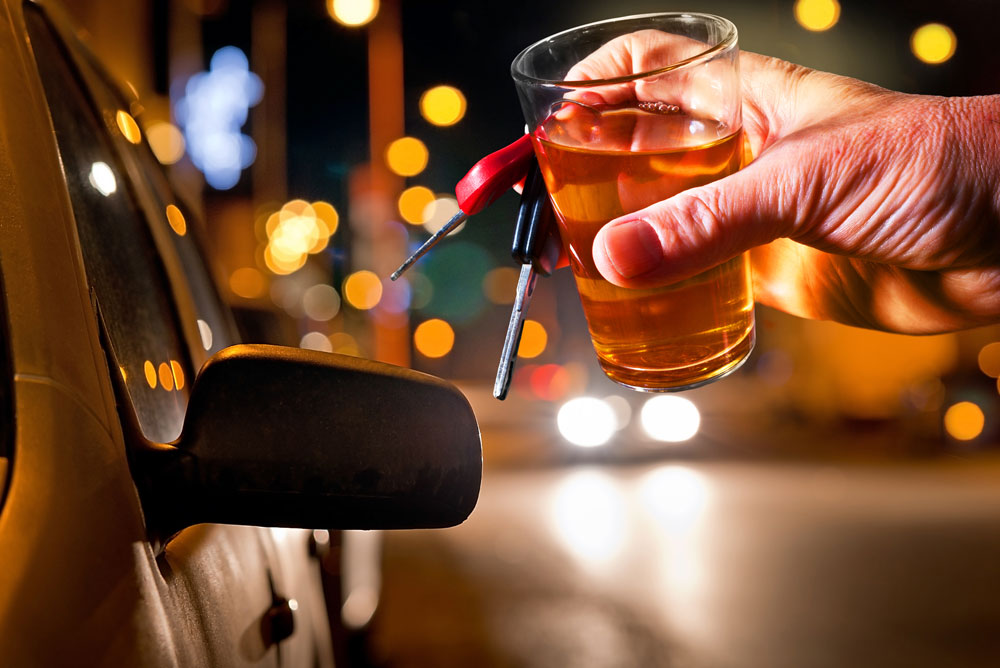
When drivers in BC are investigated by police and issued papers of some sort, the most common first thought is “I got a DUI.” That makes perfect sense. We are inundated with American entertainment and news and many of us learn about DUI and the term DUI from things like TikTok and YouTube. In BC, the most common type of drinking-driving process starts with a roadside breathalyzer test and ends with a 90-day Immediate Roadside Prohibition (IRP). So is IRP the same as a DUI?
DUI, as we indicated, is really an American term. The two heavy-duty DUI lawyers in our office belong to the US DUI lawyer organizations and these organizations work to research issues related to DUI science and law, and teach new lawyers and each other about developments in the field. DUI is not universally used in the legal systems in the U.S. however.
Although many people just refer to a criminal investigation for drunk driving as a DUI investigation, there are different acronyms used from one state to the next. DUI is typically understood as meaning “Driving Under the Influence.” There are states which use “DWI” for “Driving While Impaired” or “OWI” for “Driving While Intoxicated.” None of these are official terms in Canada, however.
“Under the Influence of alcohol” is a phrase that would likely be considered too vague for Canadian courts. How are you influenced? Is your love or addiction to alcohol affecting how you drive when sober? Did you turn your head to look at a liquor store and cause an accident?
In both Canada and much of the United States, there is consistency in that the prohibited blood-alcohol concentration is .08% alcohol and up. In Canada having a blood-alcohol concentration of .08% or above in the 2-hours after driving is a criminal offence. It is also a criminal offence to operate or have care and control of all sorts vehicles (“conveyances”) when your ability to operate the conveyance is impaired to any degree by alcohol in your body.
The BC DUI scheme, Also known as IRP
In BC we have a unique legal scheme where the police investigation begins and ends at the roadside. The driver is detained by the police, blows into a roadside breathalyzer which is known as an Approved Screening Device (ASD). If the result of the test is Fail, the law presumes that the driver has a blood alcohol concentration over .08%.
At that point, when the test is Fail, the officer will typically offer the person another test. If they accept it and blow Fail the second time, the officer will then issue the driver a 90-day IRP. If they driver refuses the second test, then the police will issue the driver the same 90-day IRP but on the basis of just the one test.
IRPs can be disputed. That’s where we come in. Lawyer Kyla Lee wrote the leading textbook for lawyers on disputing IRPs and she handles these cases every day for people from around BC.
So many other types of “DUIs”
IRPs are not criminal but all of the criminal drunk driving laws are still on the books in BC and still apply in certain circumstances. In addition there are also Administrative Driving Prohibitions (ADPs) which are similar in some respects to IRPs in the length of the prohibition and the appeal process. The main difference is that for ADPs the police collect more evidence but they do not impound the vehicle.
As well, there are 24-hour prohibitions, IRPs with shorter driving prohibitions from 3 to 30 days and 12-hour prohibitions for class 7 “L” or “N” drivers.
Why use DUI?
Over the last 15 years, because there are so many different types of drunk-driving police processes in BC, it has become common to refer to any of them as a DUI. Often, until you have a lawyer review the papers issued by the police, you can’t be certain of which type of DUI you are facing.
In the sense that a DUI is “driving under the influence,” an IRP is not a DUI. However, because it is the most common type of alcohol-related punishment in BC, people call it a DUI and we all know what they mean.
If you have been issued an IRP, contact us right away. You can text us at 604-685-8889 and our DUI / IRP lawyers will get back to you quickly to discuss how we can help you dispute the IRP.