
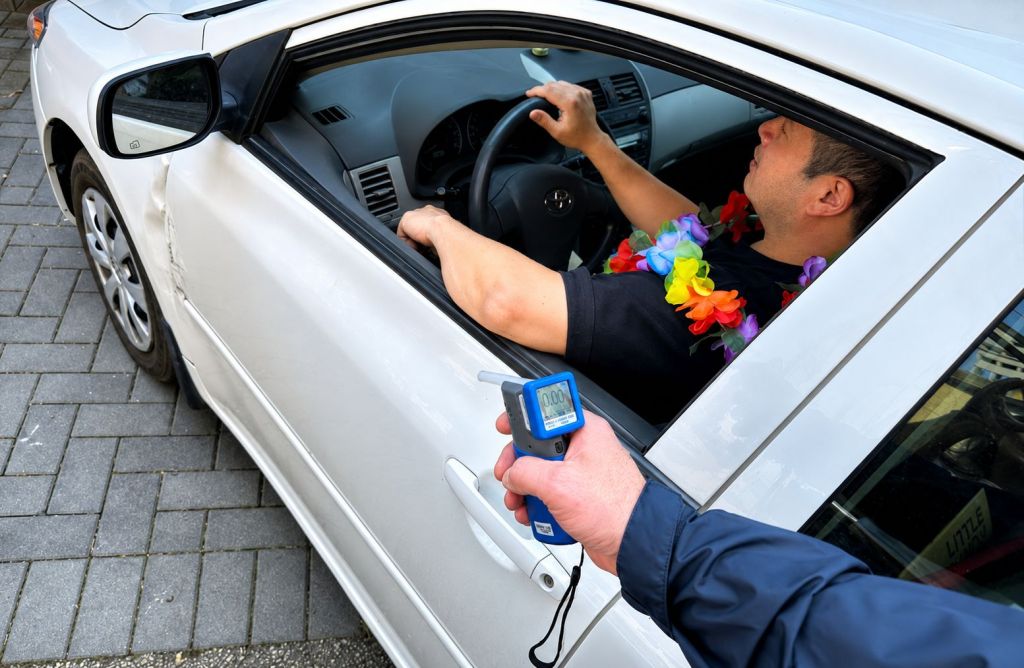
British Columbia operates two separate impaired driving systems. One is criminal. The other is administrative. They run in parallel and create different risks.
The criminal system applies when police lay charges such as impaired driving, over 80, or refusal. These cases proceed through the courts. A conviction can result in a criminal record, fines, driving prohibitions, probation, jail in serious cases, and long-term consequences for employment and travel.
The administrative system is the Immediate Roadside Prohibition regime. This applies when police issue an IRP at roadside based on a breath reading. The prohibition takes effect immediately. Your vehicle is impounded. The process for review is short and technical. Many people lose their right to challenge an IRP simply by missing deadlines or misunderstanding the process.
These systems are independent. You can face an IRP without criminal charges. You can face criminal charges without an IRP. You can face both. Success in one process does not automatically resolve the other.
The IRP regime is fast and unforgiving. It operates on written submissions and limited grounds of review. The criminal process is slower and involves court proceedings, disclosure, and trial rights. Each system has different legal standards and different strategies.
People often underestimate the IRP process because it is not a courtroom. That is a mistake. IRP outcomes carry significant consequences. They affect your ability to drive, your insurance, and your future driving record. The review process is technical. Small errors can end your chance to overturn the prohibition.
Understanding which system you are in, and what rights exist in that system, is the starting point for any defence strategy. Treating an IRP like a criminal charge, or a criminal charge like an IRP, leads to poor decisions.