
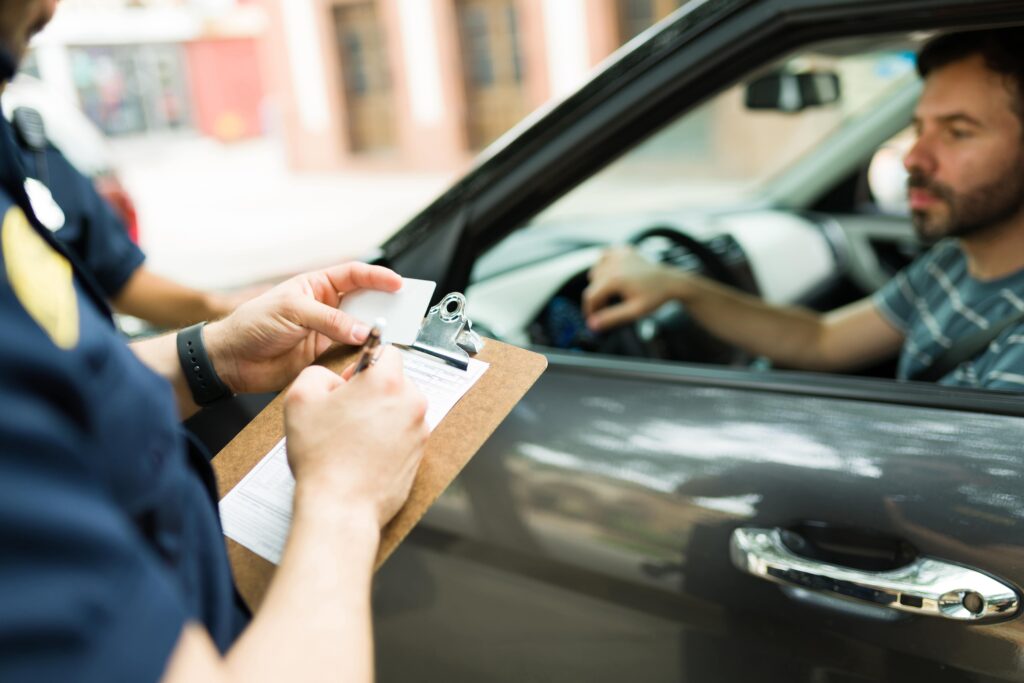
If you’ve been charged with a DUI, one of the most critical decisions you’ll face is whether to plead guilty or not guilty. The “best plea” for a DUI depends on the specifics of your case, including the evidence against you, the circumstances of your arrest, and the potential consequences.
Here’s what you need to know about DUI pleas, how the decision is made, and why consulting a lawyer is vital to winning the case and securing that successful not guilty plea.
Pleading Not Guilty
Pleading not guilty means you deny the charges and request a trial. You put the state to the strict proof of the charge. They must ensure the evidence is admissible, reliable, and credible. That is not always easy for them to do.
That is why the best advice when facing a DUI charge is never plead guilty without seeking legal advice. If you are facing a mandatory minimum sentence for a first offence, there is no logical reason to plead guilty. A not guilty plea, even if you are unsuccessful, may not result in a greater penalty.
Here are some of the reasons why I advise my clients to never plead guilty without fully reviewing the case and in the event they are not facing anything more than the mandatory minimum sentence of a fine and driving prohibition and criminal record.
1. Insufficient Evidence:
If the evidence is weak or improperly obtained, such as faulty breathalyzer results or an illegal traffic stop, pleading not guilty gives your lawyer the opportunity to challenge the case in court. Sometimes witnesses forget, make mistakes in their testimony, or become unwilling or unable to participate in trial. If that happens there may be insufficient evidence to convict you.
But if you plead guilty, you are admitting all the elements of the offence are made out.
2. Violation of Rights:
If your Charter rights were violated during the arrest, such as being denied the right to consult a lawyer, a not guilty plea allows you to argue for the charges to be dismissed. When you enter a guilty plea you are waiving your right to argue that your rights were violated by police. Not only does this mean illegally obtained evidence may be used against you, but it also prevents you from seeking vindication for the violation your rights.
3. No Aggravating Factors:
If your DUI did not involve accidents, injuries, or a high blood alcohol level, you may have a stronger chance of acquittal and nothing may get worse if you take it to trial and are convicted. Chances are if you are facing a first-time DUI and otherwise have a clean history and are of good character, barring unusual facts, the only penalty you would get on conviction is the minimum sentence. In this case, it is worth the roll of the dice for an acquittal.
Pleading Guilty – The Worst Choice
Pleading guilty means you admit to the charge and accept the consequences. This plea is often used when the evidence against you is strong and the risk of harsher penalties after a trial outweighs the benefits of contesting the charge.
A guilty plea can still lead to a favourable outcome if handled strategically, but you should only do this if your lawyer has recommended it and if you are comfortable doing so. Otherwise you should never plead guilty until you see, can test, and can investigate the evidence against you.
Even if you want to plead guilty, you should never plead guilty at your first court date.
Take time to review the case because you could get a better outcome. Pleading guilty at the first date prohibits you from getting a negotiated plea deal. A lawyer can negotiate a plea bargain to reduce the charge (from DUI to careless driving) or minimize penalties, such as fines or driving prohibitions.
Demonstrating accountability and willingness to address the issue by doing things such as attending treatment programs can result in more lenient sentencing. Giving yourself time to demonstrate that you have taken the steps to ensure this never happens again can also help your lawyer secure a better outcome.
Factors to Consider When Choosing a Plea
When facing a DUI charge, determining the best plea for DUI is a crucial decision that depends on several key factors. The first consideration is the strength of the evidence against you. By thoroughly reviewing the Crown’s case with your lawyer, you can identify potential weaknesses or procedural errors that could lead to dismissal or a reduction in charges. This evaluation is essential to deciding whether to accept a plea deal or proceed to trial.
The potential penalties also play a significant role in choosing the right plea. While a trial offers the possibility of an acquittal, losing could result in harsher penalties than those offered in a plea deal. On the other hand, a plea deal may provide a guaranteed resolution with reduced consequences, such as lower fines, shorter driving prohibitions, or avoiding a criminal record in some cases. Weighing these outcomes with your lawyer is vital to making an informed decision.
Legal advice from an experienced DUI lawyer is invaluable during this process.
A skilled lawyer can evaluate the risks and benefits of each option, providing personalized recommendations based on your unique circumstances. Their expertise ensures that you understand the implications of each plea and helps you choose the best course of action to protect your future.
The importance of having a lawyer by your side cannot be overstated when deciding on the best plea for DUI. Your lawyer will assess your case in detail, analyzing evidence for potential defences, such as errors in police procedures or violations of your Charter rights. If the evidence against you is strong, they can negotiate with the prosecutor to secure a reduced charge or lighter penalties, potentially sparing you from the long-term consequences of a DUI conviction.
If you decide to plead not guilty, your lawyer will represent you in court, presenting a robust defence on your behalf. This includes cross-examining witnesses, challenging the Crown’s evidence, and arguing for acquittal based on the facts of the case. With the guidance of an experienced DUI lawyer, you can navigate the legal process with confidence and make the best decision for your situation.
There is no one-size-fits-all answer to the “best plea” for a DUI but you should never plead guilty before getting a full case assessment and advice from a quailed and experienced DUI lawyer.
Consulting a lawyer ensures you have the guidance and representation needed to make the best choice for your circumstances. Don’t navigate this decision alone—seek expert advice to protect your rights and future.