
Generally speaking, it’s not wise to try and spend your time attempting to devise a way to beat a breathalyzer. If you’ve had enough to drink such that your blood alcohol concentration is over 50 mg in 100 ml, you are not permitted to drive in British Columbia. Still, it seems to be a common question people have, that is whether or not their breathing would lead to a different result on a breathalyzer. The interesting answer is yes, and no. But it requires a little bit more consideration.
Breathing into the breathalyzer
When you provide a breath sample into an alcohol breath tester, the results displayed are not a test of your blood. The offences in Canada are having a blood-alcohol concentration in the prohibited level, but only in circumstances where the police compel you to provide blood is blood normally tested. In Canada, the police have the authority to compel people to provide samples of their breath to give an approximation of their blood alcohol concentration.
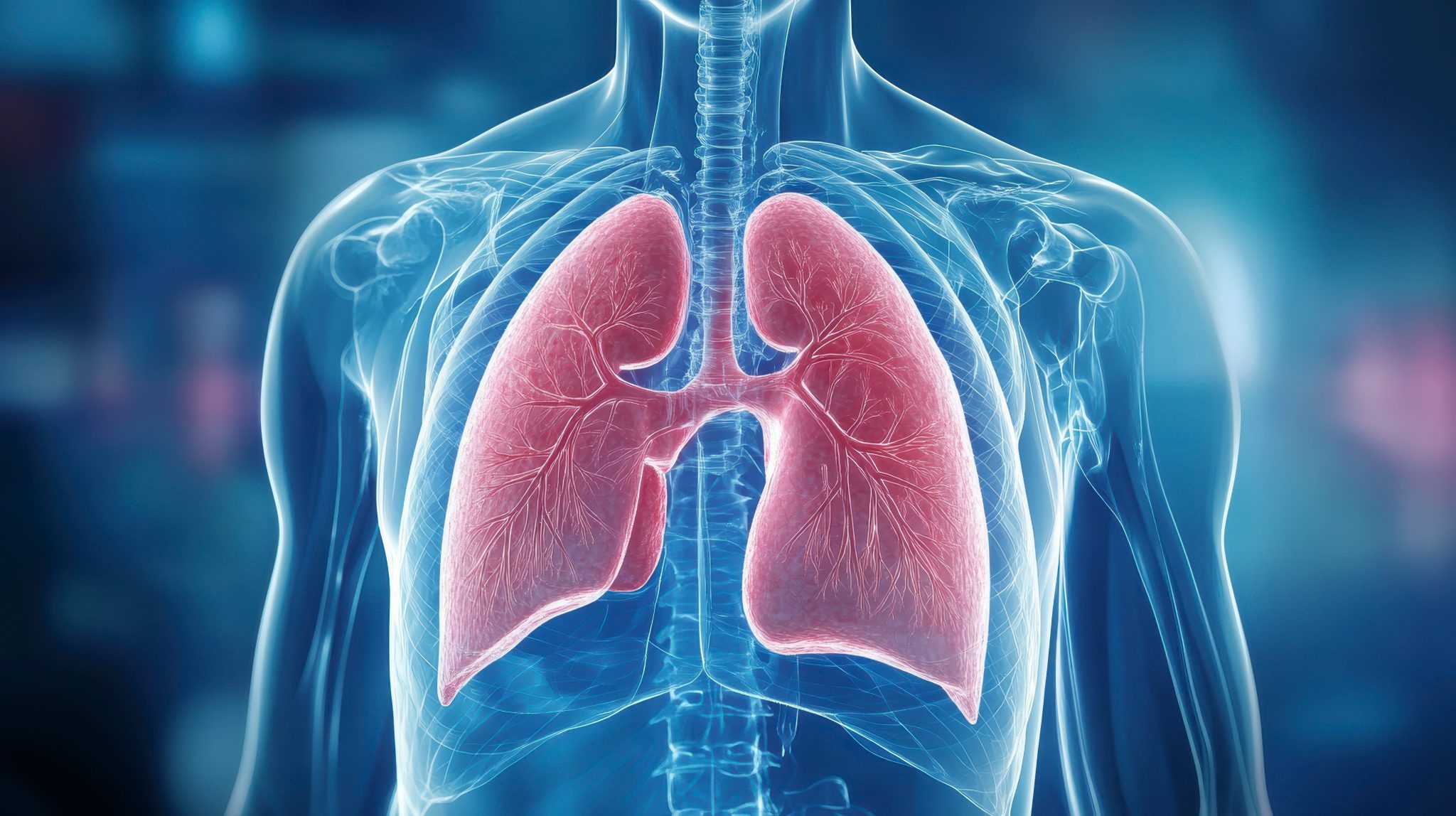
The law assumes that the reading on the breath testing device actually reflects your blood alcohol concentration, but that is never the case. The reason is because the amount of alcohol concentrated in your breath is not the same as the amount of alcohol concentrated in your blood. Alcohol passes through the membrane in your lungs. As your blood passes through your lungs, the blood continues, but some alcohol comes out of the blood and into your lungs. Then, when you exhale, the alcohol is in your breath. But how much alcohol is in your breath relative to your blood is the first consideration.
A magic average
Police alcohol breath testers in Canada all operate under the same presumption: that 2.1 liters of your breath would have the same amount of alcohol as one cubic centimeter of your blood. So imagine a 2-liter milk container compared to a sugar cube. That’s an easy way to visualize it. When you’re providing a sample of breath, you don’t actually blow 2.1 liters of breath through the breath tester; it’s just working on that presumption.
(The milk container would represent the amount of air. The sugar cube is roughly the volume of blood, not the alcohol in the blood.)
Now the problem with that presumption is that nobody is 2.1:1 at any time. It is just an issue of programming in the machine. What is called the breath-to-blood ratio can vary from individual to individual. So 1.7 liters of breath to one cubic centimeter is possible, and 2.4 liters of breath to one cubic centimeter is also possible. At some point in our history, we simply decided to rely on 2100 to 1 so that we could test people on the basis of their breath. It is inevitable and in fact guaranteed that every person who is tested is on one side or the other of that accepted formula.
Breathing and alcohol
In the early days of the science of alcohol breath testing, someone theorized that deep lung air would best reflect blood alcohol concentration. There was no science behind this. It was just a theory. As you dig into police science, you discover that much of it has never been tested and was just someone’s theory. Most of the time, the theories were devised by police to attempt to get to a specific result that is advantageous for the prosecution.
The limited research in this area suggests that deep lung air is not necessarily the most representative. There’s no reason to suggest that it better reflects the 2100 to 1 ratio that is used. In fact, most of the alcohol transfer from your lungs to your breath appears to take place in the upper airways of your lungs. The transfer takes place from mucus in your lungs to the air in your lungs. Still, police are taught the fallacy that deep lung air is necessary to get a breath sample that reflects the person’s blood alcohol concentration.
Noteworthy is that the police are not taught that breath is not measuring blood. Few police officers who conduct impaired driving investigations understand that their reading is merely an approximation and that there are so many variables that can affect how close the approximation is to the actual blood alcohol concentration.
A lower reading with breathing
Most people, when they are being tested by the police, are very nervous. Nervousness is one of the particular concerns we have. When you are nervous, often your breathing becomes shallow. People’s chests tighten up when they are nervous. They don’t draw in deep breaths and they don’t exhale with deep breaths. The people who design and test breath-testing equipment are not nervous when they use them. They are not holding their breath because of fear. Their chests aren’t tight.
Shallow breaths and holding your breath can cause the concentration of alcohol in your breath to increase. This happens simply because the air in your lungs is stale and exposed to the mucus containing alcohol in your lungs for a longer period of time. One can continue to survive with shallow breaths for an extended period of time. But continued shallow breaths when there is alcohol in your blood may increase the concentration of alcohol in the air in your lungs.
Can a breathing pattern beat the breathalyzer?
The first concern is that you do not hold your breath. Because holding your breath can lead to an inflated result. Again, one must remember that breath testers do not test your blood.
It follows that deep breathing that clears stale air from your lungs may lead to a lower result. And, in fact, this is true. Anecdotally, toxicologists confirm this when we speak to them. But we have tested it ourselves as well. If you take deep breaths in and out, clearing your lungs just before you attempt to provide a sample onto a breath tester, you are likely to get a slightly lower reading. How much lower will depend on your underlying blood alcohol concentration, the amount of alcohol you clear from your lungs, and the temperature of the air you exhale from your lungs. The cooler the temperature, the lower the reading as well.
Funky breathing
As lawyers, the particular concern we have is that people may attempt some sort of funky breathing in the hopes that they will get a lower reading. They may try and blow around the straw, take short breaths, not seal their mouth properly on the mouthpiece. All of those behaviours are likely to be observed by the officer and recorded by the officer, which may indicate that the individual is attempting to avoid being tested. It may indicate that the person is trying to provide a sample with a lower reading. Interestingly, all of these behaviours would theoretically lead to a potentially higher reading on a breath tester. When people blow around the mouthpiece, they often run out of air before triggering the automatic sampling. As a result, the device may finally capture the very last bit of air—the stale, deep lung air—which often has a higher concentration.
Breathalyzer tests are mandatory
In Canada, if a police officer makes a demand that you provide a sample of breath into an approved screening device or approved instrument, you are required to do so, and it is a criminal offense to refuse to provide a sample either by outright refusing or attempting to thwart the process. Attempts to blow around the mouthpiece, block the mouthpiece with your tongue, blow through your teeth, or blow short breaths may be considered a refusal to provide a suitable sample of breath. In the realm of criminal law, the punishment is very severe if you are convicted of refusing to provide a breath sample.
It is not an offence, however, to take deep breaths to try and clear your lungs prior to providing a breath sample. We advise our clients to do so because very often the opposite is true. Through nervousness, people hold their breath and increase their breath alcohol concentration as a result.
An interesting twist
There are ways to eliminate alcohol from your body, and the primary way is that your body metabolizes the alcohol, breaks it down, turning it from alcohol to other organic chemicals that are expelled from your body. Another way to eliminate alcohol from your body is through breathing. The simple fact is that alcohol does come out of your breath. Studies have confirmed that heavy breathing will speed up elimination of alcohol from your body. The issue here is not beating the breathalyzer but actually getting sober faster.
There is no downside to heavy breathing if you think you have to do a breathalyzer test. We would prefer that you don’t put yourself in that situation where you’re running that risk, but you can shorten the time period that it takes for you to eliminate alcohol from your body by breathing heavily.
Don’t be nervous
People are nervous dealing with the police, and sometimes people are nervous about calling a lawyer. You don’t have to be nervous about calling us. We speak to people from all over British Columbia about their driving matters, and in particular cases where they’ve been issued a driving prohibition or court date related to a drinking and driving allegation. If you’ve found yourself in trouble with the police, give us a call.