
Having your vehicle impounded is one of the most immediately disruptive consequences of a DUI stop in BC. On top of everything else happening in an already stressful situation, you’re left wondering where your car is, how long it’ll be gone, and how much this is going to cost.
Here’s a straightforward breakdown of what actually happens.
When Does Vehicle Impoundment Happen?
In BC, vehicle impoundment for DUI is most often tied to the Immediate Roadside Prohibition (IRP) system. When police issue a 90-day IRP, triggered by a Fail reading (100mg%+) on the roadside breathalyzer or a refusal to provide a sample, your vehicle is impounded for a 30-day period.
For shorter IRPs (3-day or 7-day), impoundment does not automatically apply in all cases, though officers may still have the vehicle impounded if they deem it a safety concern or at their discretion. 30-day prohibitions for blowing a third warn reading in a five-year period also attract an automatic 30-day vehicle impoundment.
If you’re arrested for a Criminal Code DUI offence, police also have authority to impound your vehicle separately from the IRP process, and may do so at their discretion. This is typically done under Section 215 of the Motor Vehicle Act alongside service of a 24-hour prohibition. But police can impound and seize the vehicle for up to 90 days in the course of conducting a criminal investigation as well.
Where Does the Vehicle Go?
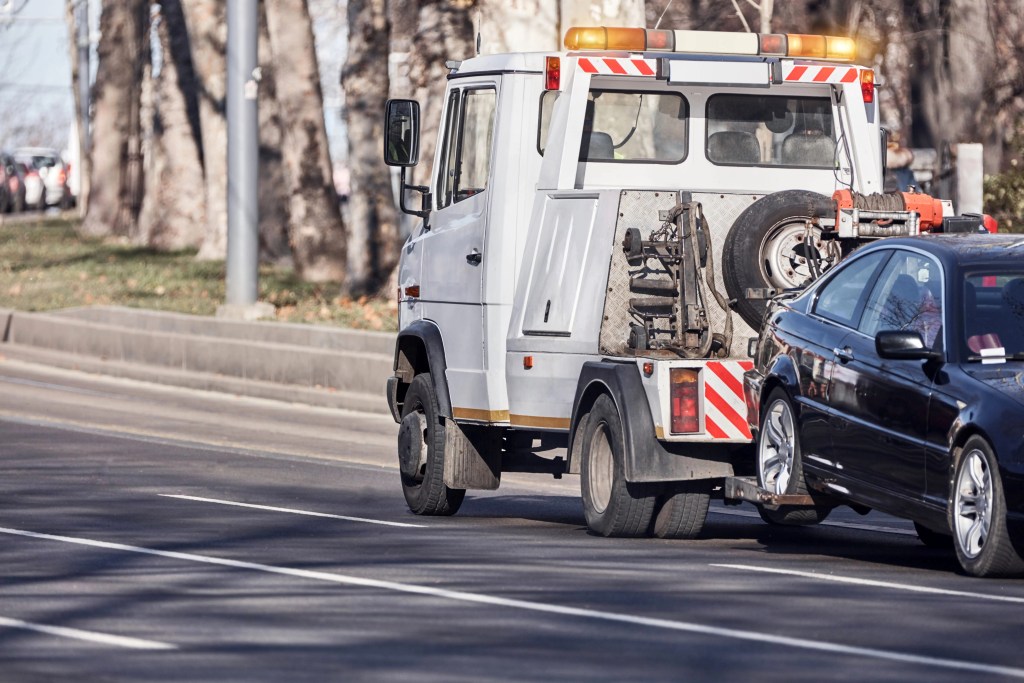
Police call a tow truck to take your vehicle to an approved storage facility. This is almost always a private tow yard. You have no say in which yard is used. That determination is made through contacts the city or the police have with the impound lots. The vehicle is stored there for the duration of the impoundment.
If the police are seizing the vehicle for their criminal investigation, they may tow it to a secure facility, either within a private tow yard or at the police station.
You are not permitted to retrieve the vehicle, cancel your insurance, or use the car in any way during the impoundment period. Can You Get Your Belongings From the Car?
This is a question a lot of people ask. In theory, you can sometimes retrieve personal belongings (not the car itself) from an impounded vehicle by arrangement with the tow yard. In practice, this depends on the individual storage facility’s policies and whether the police authorize it.
If there are important items in your vehicle, such as medication, work equipment, personal documents, it’s worth calling the tow yard and explaining the situation. Some yards will accommodate you. Others will not until the impound period ends.
Tow yards are obligated to permit you to access the vehicle to retrieve belongings if the vehicle is not in a secure police storage, but you will be asked to pay the full impound fee first. That is why they may or may not permit you to access the vehicle.
The Cost: What to Expect
This is where things get painful. Impound costs are significant and entirely the responsibility of the vehicle owner. Typical costs include:
A towing fee, generally ranging from $150 to $300 depending on the tow company and distance. Storage fees at the yard, which are charged per day usually range from $50 to $75 per day or more. For a 30-day impound, daily storage fees alone can add up to $1,500 or more.
In total, getting your vehicle out of a 30-day impound can cost anywhere from $1,800 to $3,500 or higher. These costs must be paid directly to the tow yard before you get the car back.
What If You Can’t Afford the Impound Fees?
If you can’t afford the fees, the vehicle will remain at the storage facility and fees will continue to accumulate. Eventually, after a defined period, the storage company has the right to apply to have the vehicle sold to recover costs. This is not an idle threat; it does happen.
If cost is a concern, talking to a lawyer quickly matters, especially if there are grounds to challenge the IRP itself. If the IRP is overturned, the impound ends and vehicle release fees are covered by the government. But they are only covered up to and including the day of the decision, so you cannot wait a few days to get the vehicle back without incurring your own expenses.
Retrieving the Vehicle After the Impound Period
When the 30-day impound period ends, you can retrieve your vehicle by paying all outstanding fees to the tow yard. You’ll need to bring valid identification and proof that you’re the registered owner of the vehicle.
Note that the end of the impoundment period does not automatically mean you can drive the vehicle. If your driver’s licence is still suspended under the IRP, you cannot legally drive it away. You’ll need to arrange for a licensed, unimpaired driver to pick the car up, or complete the licence reinstatement process first.
What If Someone Else Owns the Vehicle?
If the impounded vehicle belongs to someone other than the prohibited driver like a family member, an employer, or a friend, that third-party owner can apply to have the vehicle released early in certain circumstances.
The process involves applying to ICBC and the Superintendent of Motor Vehicles. There are only limited grounds on which a vehicle can be released early, so it is important for the vehicle owner to seek legal advice about their options before attempting to file an application for early release.
The Bigger Picture
The vehicle impound is a significant and immediate consequence of an IRP. And it’s one of the fastest ways the financial impact of a DUI stop becomes real. Understanding your options, especially around IRP reviews, is the fastest path to resolving the situation.