
The government introduced changes to the Motor Vehicle Act back in July. The changes affect the Administrative Driving Prohibition (ADP) scheme. There was very little fanfare at the time and consequently there is very little awareness about them.
Make no mistake, if you are a driver in BC, these changes affect you and it is important that you know about them. They include new circumstances for issuing ADPs and a significant reduction in the amount of time before the prohibition kicks in. The changes reflect revisions made to the Criminal Code in the wake of the decriminalization of cannabis last year.
This blog will provide a summary of the most important changes to the ADP scheme.
What is an Administrative Driving Prohibition?
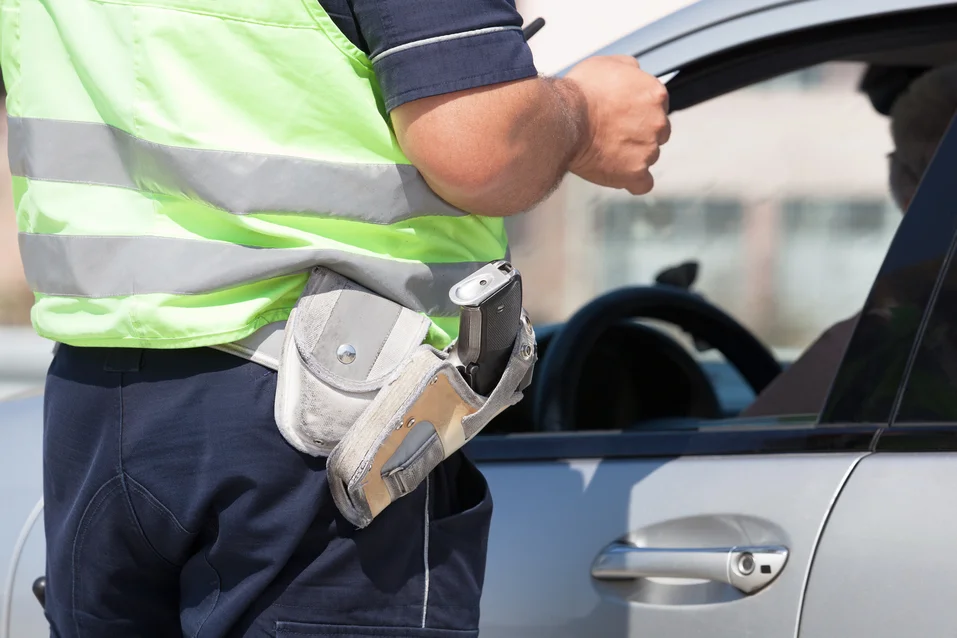
A 90-day Administrative Driving Prohibition (ADP) is issued to drivers for suspected impaired driving offences. Under Section 94.1 of the Motor Vehicle Act, a police officer must issue a driving ban in certain circumstances arising from an impaired driving investigation. An ADP is normally issued in addition to criminal impaired driving charges, however, the ADP itself is an administrative matter, not criminal.
Changes to when ADPs are issued
Under the old regime, ADPs were issued one of two ways: if you were charged with the offence of driving with a blood-alcohol content (BAC) over 0.08 or if you refused to provide a breath sample altogether.
Following the Motor Vehicle Act changes, ADPs are now issued for:
Having BAC at or over 0.08 within two hours after driving.
Previously, a police officer could only issue an ADP if a driver had a BAC above 0.08. So a BAC reading of 0.08 would not result in a 90-day ADP but a reading of 0.09, 0.10 and so on would. Under the new system, a BAC of 0.08 exactly will result in an ADP. It might seem like a minor change but will make a big difference to anyone teetering at the edge of the legal limit.
Last year, the Criminal Code introduced the offence of having BAC above the legal limit within two hours of driving. The ADP scheme has now adopted this new version of the offence.
Drug-impaired driving
The ADP scheme was designed with alcohol-impaired driving in mind. However, the scheme has adopted the following drug-impaired driving offences:
- Having a prohibited blood-drug level up to two hours after driving. Prohibited levels are 5 nanograms of THC per 1 ml of blood, 5 mg of GHB per litre of blood, or any detectable level of the following: LSD, psilocybin, psilocin, ketamine, PCP, cocaine, methamphetamine and 6-mam.
- Having a prohibited alcohol and drug combination up to two hours after driving. The limit is 50 mg of alcohol per 100 ml of blood (0.05 BAC) and 2.5 ng of THC per 1 ml of blood
Forgot about DRE
As stated before, it used to be the only ways you could get an ADP were either having a BAC above 0.08 or if you refused to provide a breath or blood sample. This is no longer the case. A police officer can now issue an administrative driving prohibition if advised to do so by a Drug Recognition Expert (DRE).
A DRE is trained to identify signs of impairment. If they decide you are impaired, you can end up with an ADP.
Removal of 21-day waiting period
Under the old ADP provisions, the 90-day driving prohibition began 21 days after the Notice of ADP was issued. The police seized your driving licence but the ADP notice functioned as a temporary driving licence for those 21 days.
The 21-day waiting period has been abolished and the driving prohibition will now start immediately after the notice is issued. However, you will be issued a seven-day temporary licence in the following circumstances:
- The driver holds a valid foreign license and not a BC driving licence
- The ADP was issued for a prohibited drug level
- The driver gets an ADP for a prohibited alcohol drug combination level
- Police issued the ADP because a DRE says the client was impaired
Otherwise, the police will seize the licence of anyone with a BC driving licence for anyone who provides a blood or breath sample at or above 0.08 BAC or if they refuse.
Drug testing results
It is not clear how the new rules about issuing ADPs for the presence of drugs in the blood will work. Blood tests can take months to come back, so drivers who test positive will, in effect, be able to drive before they get a nasty surprise months later. Once they receive notice, they will have a seven-day temporary licence before starting their prohibition.
This doesn’t make a lot of sense but it’s the way it is for now.
What to do if you get an ADP
If you get an ADP it is, more so than ever, imperative you act quickly. You still only have seven days after you receive the Notice to file a review with the Superintendent of Motor Vehicles. But now, the ban will start either immediately or after seven days.
We recommend hiring a lawyer to stand the best chance of overturning your driving prohibition. A significant part of Acumen Law Corporation’s caseload consists of 90-day ADP reviews. If we are successful in overturning the ADP the governemt refunds the the cost of filing the review.
Call us today on 604-685-8889.