
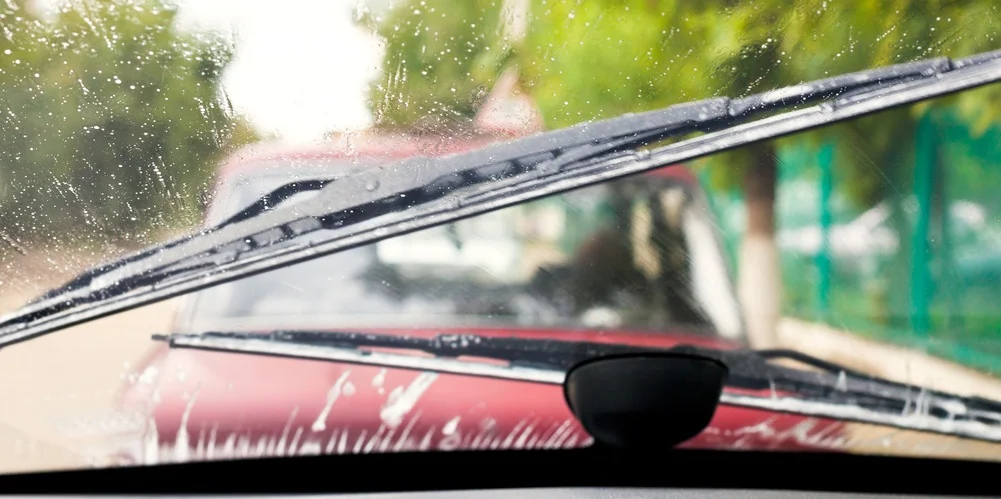
We know police vehicles are often equipped with dash cameras recording footage of events ahead of their cruisers. But what if you were in an accident, and you, or someone else around you, had dash cameras that better reveal your side of the story? Could this information be submitted to ICBC to challenge a ticket or determine liability?
As one case decided in 2016 demonstrates, the answer is yes. But there are things to be wary of. The case involves an accident in Langley where it was initially alleged a driver in a Porsche ran a red light and struck a left-turning driver, in a Pontiac. A police officer attended and gave the Porsche driver a ticket for running the red light.
Driver had red light ticket reversed, thanks to dash cameras
The twist came when another driver on the road discovered his dash-camera had recorded the entire thing. The dash camera video showed that the driver of the Porsche had actually entered the intersection on a stale yellow light. The red light ticket was immediately cancelled.
When the question of who bore responsibility for the accident came to court, however, there was another turn of events. Nobody had a copy of the dash-camera video of the incident. The man who initially filmed it deleted it, the ICBC adjusters who saw the video deleted it, and the investigating officer didn’t appear to have a copy of it either.
What if you submit the video, but footage from the dash cameras is deleted?
All the court was left to work with were the memories of those who saw the video, and any notes that were made when the video was still around. Seconds matter when it comes to determining liability – did the driver have an opportunity to see the yellow light and slow or stop his vehicle? Was the yellow light in fact stale, and was about to turn red? Was the officer mistaken in rescinding the red light ticket? All that now became unclear. The video was really, the only place where a frame by frame breakdown of the accident could be impartially observed.
Dash cameras can help courts break down events second-by-second
In another case that demonstrates the value of these dash cameras, the court was able to break down the 26 seconds immediately before and after a serious collision into 14 distinct parts. This case had involved a woman who was left critically wounded after a motorcycle barrelled into where she was on the sidewalk.
The motorcyclist had just been involved in a collision with a left-turning car, which threw the rider off his bike, while the motorcycle rolled on and struck the woman on the sidewalk. The question the court tried to determine was whether the motorcyclist was driving dangerously prior to the collision.
Nobody was really sure how fast he was going, though it was fast, and there were suggestions the motorcyclist was weaving in and out of traffic. The question before the court was whether all this was true, and whether the left-turning vehicle had opportunity to see the motorcycle and stop turning, which would have prevented the accident.
This is what the judge said:
“The dash cam video leaves little doubt that the reason Mr. Roland had insufficient time to complete his turn was that the motorcycle driven by Mr. Markos came out from behind Mr. Elliott and was going too fast.”
“…the inquiry into the manner of driving was far more meaningful than the usual description of events since it was supplemented by direct video footage.”
What to keep in mind about dash cameras
There are a few things to be aware of when considering whether dash cameras can assist your case in court. If you know you were absolutely in the wrong, dash cameras can help the other side prove your guilt. However, in many cases things happen so quickly that all investigators are left with are witness recollections of what they think they saw during the incident. Memories are not always reliable, and most people certainly can’t play them back, frame by frame, with any reliability.
If you were alleged to be in the wrong, dash cameras can provide impartial, precise evidence about what actually occurred. But also remember this. Make sure a copy of the video is actually kept and properly submitted when liability is being determined. Also ensure that, if you do get a dash camera for your vehicle, that the quality of the video is sufficient to capture details such as the colour of the traffic lights at the time.
If you were involved in an accident and believe you have access to dash camera footage that may help your case, it is always a good idea to consult with a lawyer before taking further steps.