
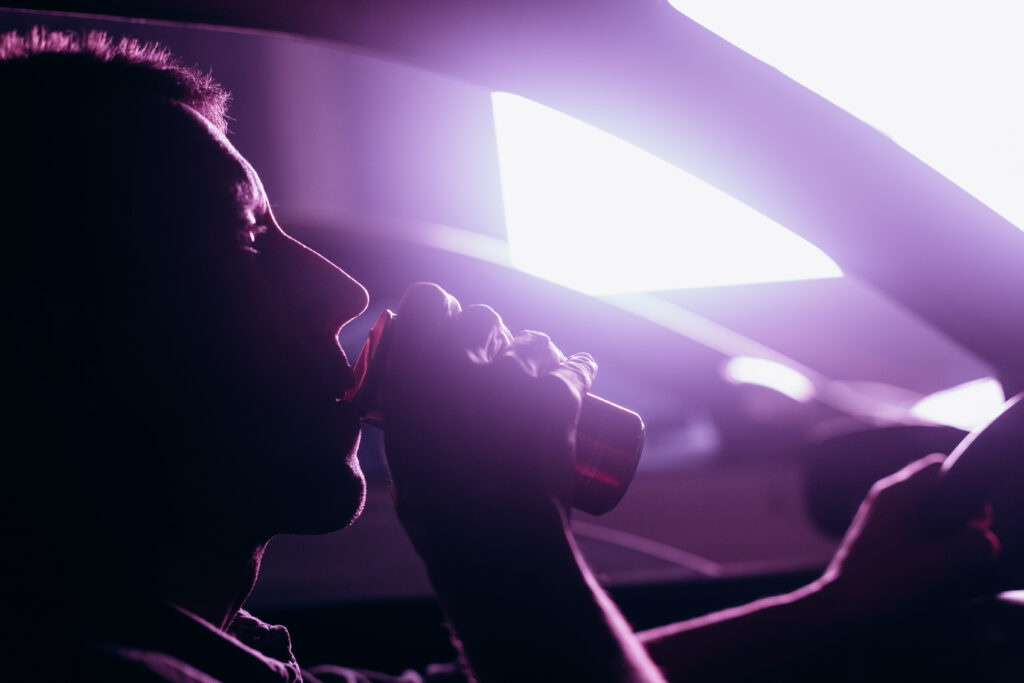
Energy drinks, typically containing caffeine, taurine, and glucuronolactone (CTG), are widely marketed with claims of improved concentration, reaction time, vigilance, and endurance.
Research largely supports caffeine’s role in enhancing cognitive performance, particularly attention, vigilance, and reaction time, and in counteracting fatigue. However, the specific contributions of taurine and glucuronolactone, especially in combination with caffeine, are less consistently demonstrated, with some studies suggesting limited or no independent effects on certain cognitive functions like memory. The concern that performance enhancement is merely a reversal of caffeine withdrawal is addressed by studies showing benefits even in non-deprived individuals.
A significant area of investigation concerns the interaction of energy drinks with alcohol. While energy drinks can subjectively reduce feelings of intoxication, they do not alter actual blood alcohol concentration (BAC). This discrepancy poses a public health risk, as individuals may feel less impaired and potentially engage in risky behaviours, despite being objectively intoxicated. Furthermore, energy drinks have been shown to have diuretic effects primarily attributable to caffeine, but no significant impact on subsequent sleep architecture when consumed by night-shift workers. Caution regarding caffeine consumption, especially for pregnant women, is also highlighted due to potential associations with adverse fetal outcomes.
Cognitive and Mood Enhancement (Primarily due to Caffeine)
Multiple studies consistently demonstrate that caffeine, and caffeinated energy drinks, improve reaction time and enhance attentional processing.
Seidl et al. (2000) found that a CTG mixture “fully preserved” attention and reaction time levels at the end of a test, whereas placebo-treated individuals showed “significant decay of P300 latencies and significantly longer reaction times.” They also noted that CTG-treated individuals showed “shorter P300 latencies and motor reaction times after administration of CTG in comparison to pretreatment,” though this did not reach statistical significance.
Warburton et al. (2001) found that an “80-mg caffeinated (80 mg/250 ml), taurine-containing beverage” significantly “improved attention and verbal reasoning” and reduced “the variability of attentional performance between participants.” They also observed that the verum drink significantly improved the “reaction time” for correct responses in a verbal reasoning test.
Scholey and Kennedy (2004) reiterate that “when realistic doses have been used caffeine improves performance by reducing reaction times and improving attentional performance.” They note enhancement “across psychomotor and vigilance tasks, particularly when responses are sustained over time.”
Reduced Fatigue and Increased Alertness
Caffeine is widely recognised for increasing alertness and reducing fatigue. Scholey and Kennedy (2004) state that caffeine is “consistently associated with modulation of mood, most notably increasing alertness and reducing fatigue.”
Subjective reports of “increased alertness and wakefulness” and enhanced “ability to work and concentrate” due to caffeine use are confirmed by placebo-controlled studies (Warburton et al., 2001, citing Goldstein and Kaizer 1969, Griffiths and Mumford 1994, Smit and Rogers 2000).
Seidl et al. (2000) reported that individuals treated with the CTG drink showed preserved vigilance, while placebo groups experienced decay.
Memory Effects
The impact of energy drinks on memory is less clear and often shows no significant effect, especially for short-term memory. Bichler et al. (2006) explicitly state, “Ingesting caffeine and taurine did not significantly change MABP… A combination of caffeine and taurine has no effect on short term memory.” Warburton et al. (2001) found “No effects on memory were found” with the caffeinated, taurine-containing beverage. Specifically, there was “no significant effect… on the number of words correctly recalled on the immediate recall test… nor… on the delayed recall test.”
Similarly, no effects were found on spatial recognition or delayed response tests.
Scholey and Kennedy (2004) note that Smit and Rogers (2002) found “no effects of the active treatments [energy drinks with caffeine] for either memory or rapid visual information processing” compared to water.
However, Riedel et al. (1995, cited by Bichler et al., 2006) found that “caffeine improved both short and long term memory in human subjects with scopolamine-induced memory impairment,” and Ryan et al. (2002, cited by Bichler et al., 2006) demonstrated caffeine’s ability to “reduce the worsening of memory associated with time of day in older adults.”
Caffeine Withdrawal
Studies have shown cognitive benefits even in individuals not in caffeine withdrawal, suggesting effects beyond mere reversal of deprivation.
Warburton et al. (2001) designed studies specifically to test participants with “minimal deprivation from caffeine (an hour or less)” or “unrestricted caffeine use before testing,” and still observed improved attention and verbal reasoning. They conclude that “Moderate doses of caffeine and taurine can improve information processing in individuals who could not have been in caffeine withdrawal.”
Scholey and Kennedy (2004) mention “preliminary data suggesting that caffeine at the dose employed here has similar cognitive effects in caffeine withdrawn and non-withdrawn (habitual non-consumers) individuals.”
Taurine is an interesting substance in this respect. While listed as an active ingredient, taurine’s individual contribution to cognitive enhancement in energy drinks is often not independently demonstrated in the provided sources. Its beneficial effects are more commonly cited in other contexts (e.g., suppressing autotomy, preventing haloperidol-induced changes, improving impaired memory in mice) rather than direct human cognitive enhancement in combination with caffeine.
Seidl et al. (2000) attribute claims for improvement in concentration and reaction time, vigilance, and endurance to “published findings on the individual ingredients, especially caffeine… and taurine.” However, their study tested the mixture of CTG. Riesenhuber et al. (2006) conclude that “taurine had no effects” on diuresis, natriuresis, or urinary osmolarity, contrasting with caffeine’s effects.
Interaction with Alcohol
Crucially, energy drinks do not affect the actual physiological processing or elimination of alcohol. Marczinski and Fillmore (2006) explicitly state that “BAC was not affected by gender or by the coadministration of caffeine.” Ferreira et al. (2006) also found that energy drink ingestion, whether alone or combined with alcohol, did not significantly alter blood alcohol concentration curves.
However, studies have shown that despite no change in BAC, energy drinks can reduce the subjective perception of intoxication.
Ferreira et al. (2006) show that the subjective “sensation of feeling drunk” was significantly higher in the alcohol-only group compared to the alcohol + energy drink group at 90 minutes. Similarly, “dizziness,” “difficulties in walking,” and “alterations in balance” were reported less frequently or less intensely when alcohol was co-administered with an energy drink.
This masking effect is a significant public health concern, as individuals may “feel less impaired” (Marczinski and Fillmore, 2006) and consequently engage in risky behaviours such as drink-driving.
Some energy drinks contain trace amounts of ethanol, but this is generally insignificant.
A study on breath alcohol testing (Potential Effect of Alcohol Content in Energy Drinks on Breath Alcohol Testing, 2009) found that some energy drinks contained measurable ethanol concentrations. However, “it would take considerable and unrealistic consumption levels to induce measurable blood alcohol concentrations.” For example, a 175-pound male would need to consume “approximately 5.914 litres of the beverage in a very short time span to reach a blood alcohol level of even 0.02.
Initial positive breath alcohol readings were observed with some energy drinks immediately after consumption due to “mouth alcohol” effects, but these disappear within 15–20 minutes and all results following the observation period were negative for the presence of alcohol.
Physiological Effects and Safety Considerations:
Caffeine can influence blood pressure, though the effects of combined caffeine and taurine ingestion are not always significant. Bichler et al. (2006) found that ingesting caffeine and taurine did not “significantly change MABP [mean arterial blood pressure] in the 45 min following drug administration,” but MABP did increase “modestly but significantly by 2.8 mm Hg (3.2%) after completion of the memory assessment.”
Caffeine can enhance “physiological response to occupational stress” (Pincomb et al., 1987, cited by Bichler et al., 2006) and affect “pressor regulation during rest and exercise” (Pincomb et al., 1991, cited by Bichler et al., 2006).
Caffeine is a well-established diuretic, but taurine does not appear to share this effect. Riesenhuber et al. (2006) found that “caffeine induced diuresis (diff: 185; CI: 115, 372) ml/6 h) and natriuresis (diff: 27; CI: 13, 41 mmol/6 h) (both: p<0.001).” In contrast, “There were no effects of taurine (neither alone nor combined with caffeine) on urine output… natriuresis… and urinary osmolarity.” They conclude that “Diuretic effects of caffeine are well established… However, neither diuresis, natriuresis nor urinary osmolarity were affected by taurine.”
While caffeine is known to affect sleep, moderate energy drink consumption by night-shift workers did not significantly impair subsequent recovery sleep.
Jay et al. (2006) found that “Despite FED [caffeinated functional energy drink] administration, the participants were still able to achieve the same amount of slow wave sleep (SWS) as compared to the NonFED condition.” Furthermore, “sleep onset latency (SOL) also remained unaffected by FED administration.” This is notable given caffeine’s half-life can be up to 7.4 hours.
The available evidence suggests that energy drinks, primarily through their caffeine content, can effectively enhance alertness, attention, and reaction time, and reduce perceived fatigue, even in individuals who are not caffeine-deprived. However, their impact on memory is less clear and often found to be non-significant.
A critical public health concern arises from the consumption of energy drinks mixed with alcohol: while these drinks can subjectively mask feelings of intoxication, they do not reduce actual blood alcohol levels, potentially leading to increased risky behaviour. Physiologically, caffeine contributes to diuretic effects, but taurine does not.