
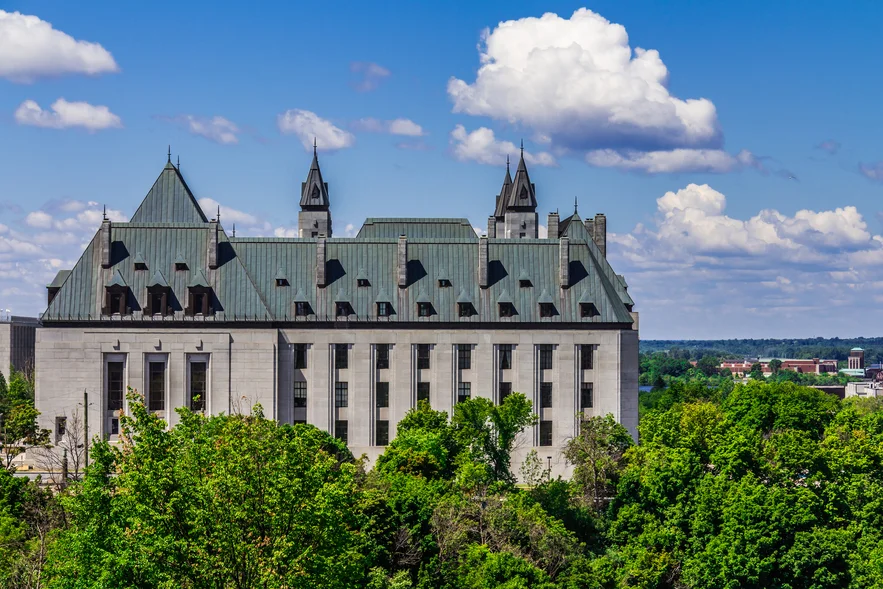
In June we told you about the remedy decision by BC Court of Appeal with respect to people who were issued Fail Immediate Roadside Prohibitions under the first version of the IRP scheme. The first version of the IRP law was found unconstitutional by the courts. That part of the case went to the Supreme Court of Canada which confirmed the lower court findings.
We were of the view that a further appeal was necessary.
In essence, everyone who received a 90-day IRP for blowing Fail from September 20, 2010 to November 30, 2011 were subject to a violation of their Charter right to be free from unreasonable search and seizure.
Some background
Thousands of people were victims of this unlawful version of the IRP scheme. They received driving prohibitions that they should never have received. They paid thousands of dollars for towing, storage, the Responsible Driver Program and the compulsory ignition interlock. Many people lost their jobs and their homes.
After making the finding that the law was unconstitutional, the BC Supreme Court had to deal with the issue of what remedy should flow from this Charter violation. The Court decided that there would be no remedies essentially because the drivers received these driving prohibitions before the Court had found the law unconstitutional.
At the Court of Appeal
In June 2016, the BC Court of Appeal rendered a decision on the issue of whether any remedies should flow from the unlawful law. The decision is indexed as Jaswal v. British Columbia. The Court of Appeal basically just agreed with the BC Supreme Court ruling.
Our role
The original Sivia case challenging the constitutional validity of the first version of the Immediate Roadside Prohibition law was the effort of a number of lawyers. Our role was to write a Charter analysis. Kyla wrote our contribution which became part of the written argument filed by the lawyers on behalf of the Petitioners. We, along with a number of other lawyers, collected money to finance the challenge to the law.
Our regret
One regret that we had from early on is that we simply didn’t do the challenge to the first version of the IRP scheme ourselves. Our feeling was that we couldn’t afford to do a solo effort. It’s an expensive ordeal to take on these big legal challenges – we know that first hand because we have numerous underway at the moment.
Because we’ve been challenging the IRP scheme on the ground every day we know the law inside and out. When the judge put questions to the lawyers at the original hearing in May 2011, we knew the answers. But we weren’t the lawyers. When the lawyers for the Government made certain arguments, we had the evidence to clarify the issues for the Court. But again, we weren’t the lawyers. We were spectators quietly cheering from the bleachers. And besides, putting in evidence in this type of court challenge was a task completed months before.
We would have done things differently. The result may have been the same, however. We can never know. Still, we regret that we didn’t just do it ourselves. In the end the law was struck down which was the right result.
The appeal of the remedy decision
We weren’t involved in the remedy cases in BC Supreme Court or the Court of Appeal. When the remedy decision was rendered the lawyers were interviewed and they indicated that it was unlikely that they would appeal to the Supreme Court of Canada. We were of the view that a further appeal was necessary. We were worried that nobody would file leave to appeal so we decided to get involved.
Kyla prepared the leave to appeal which we filed August 10, 2016. We have since learned that some of the other parties decided to seek leave to appeal after all.
What would we like in a remedy decision?
The Times Colonist says that the people of British Columbia at least deserve an apology. If there was any decency in the BC Government, you would think at a bare minimum they would have removed these prohibitions from driver abstracts. How about a return of the unlawfully collected fines?
We expect to be waiting several months for a decision on our leave to appeal application. We succeeded in the first IRP case at the Supreme Court of Canada (opposing the Government’s application for leave of the Murray decision which was filed at the Court about 7 months before the Sivia case) and we think we have a strong argument for leave to appeal of the remedy decision.
The Supreme Court of Canada takes a break in August so the filings have yet to be posted in their bulletins. When our leave is posted, we’ll provide the link on our Twitter account and Facebook page.