
Many people who receive DUIs or Immediate Roadside Prohibitions are concerned about the repercussions that go beyond the 90-day prohibition, or the one-year driving prohibition on a criminal conviction.
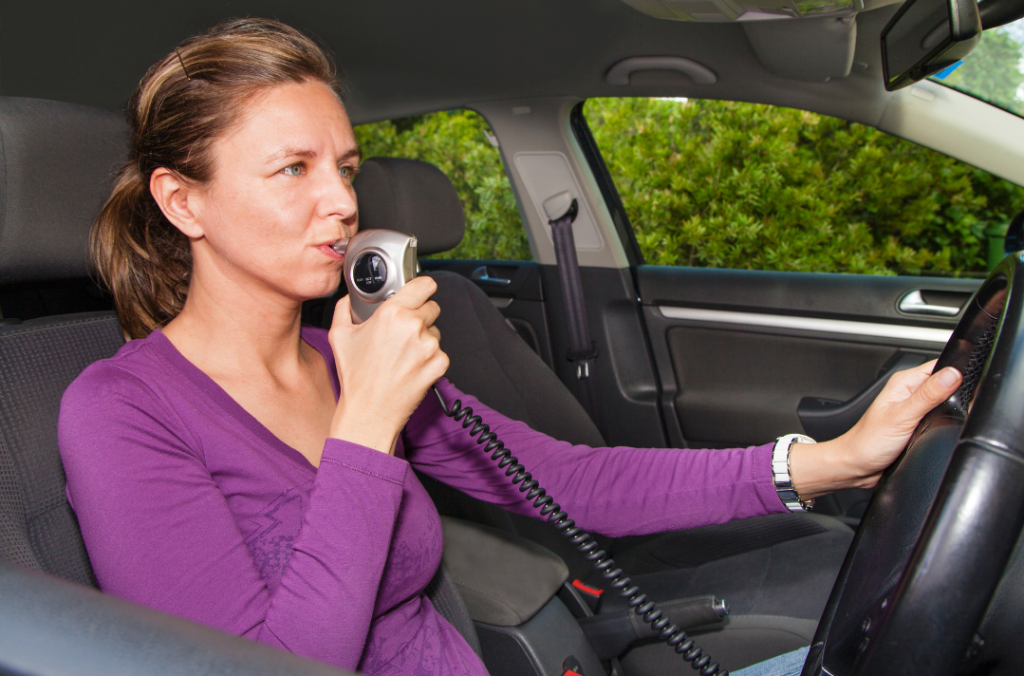
The most common concern that clients express to us is the installation of an alcohol breathalyzer, also known as an Ignition Interlock device, in their vehicles.
Clients often want to know if they will have to have the Ignition Interlock installed in their vehicles, and if so, for how long. The answer to that question is relatively simple.
The amount of time you have to have the Ignition Interlock installed in your vehicle depends on what is on your driving record, including criminal convictions as well as convictions for driving-related offences or roadside prohibitions that have to do with alcohol and drugs.
We recognize that it is illogical that you should have to put an alcohol-sensing device in your car if your driving record only contains drug-related offences, but logic has never been the main objective of RoadSafetyBC’s policy-making department.
The guidelines that are used to determine the length of time you have to install an Ignition Interlock device in your car are found in RoadSafetyBC’s Remedial Program Policy. The policy sets out the number of remedial program points that you receive for various roadside prohibition alcohol and drug-related offences and criminal convictions.
As a general rule of thumb, if you have only one 90-day driving prohibition or only one Criminal Code conviction, you will not have to install an Ignition Interlock in your vehicle. This is probably good news because most people do not accumulate several roadside prohibitions or criminal convictions.
But things get tricky when to it comes to people who have received a second roadside prohibition, or who have received a short roadside prohibition, coupled with a longer prohibition or criminal conviction.
For example, if you received a 90-day IRP, and you have previously received a three-day prohibition, you will have nine remedial program points, which will trigger an automatic, mandatory, six-month referral to the Ignition Interlock program.
If you received a 24-hour prohibition, followed by a 90-day prohibition you will have eight remedial program points and you will not receive a mandatory Ignition Interlock referral.
You will note that we emphasize the word mandatory here, and this is because despite the fact that there is this point system set up that allows the Superintendent to issue mandatory referrals to these programs, in addition to the point system, there is also a discretionary system. This means that referrals to the programs can be issued on the basis of a driving record that the Superintendent believes is unsatisfactory, even if you do not meet the threshold in the remedial program point policy.
So, is it possible to get an Ignition Interlock Referral even if you only have one alcohol related incident on your driving record? Yes. Is it likely? Usually not.
The people who are more likely to get a discretionary referral are individuals who have received something that is close to nine points but fall short of it, similar to the example we gave above.
Determining whether you are going to be likely to receive a discretionary referral usually means looking at your driving record and assessing whether or not you have fewer points than the mandatory threshold. But also considering if you still have remedial program points and have more than one incident recorded on your abstract.
What is the difference between mandatory and discretionary referral?
The difference between these two referrals has to do with whether or not you can ask the Superintendent of Motor Vehicles to exercise some leniency. With a mandatory referral, the Superintendent of Motor Vehicles cannot do anything about it. If you have received one, you must comply with it or you do not get your driver’s licence.
On the opposite side, a discretionary referral allows you to explain to the Superintendent why your circumstances would not permit you to install an Ignition Interlock device in your vehicle. It allows you to argue that the Superintendents decision is unreasonable based on your financial hardship, based on where you live in BC, especially in a remote location with no installation centres. Or, alternatively, because your vehicle is used by numerous people or you only drive vehicles that belong to a company or the vehicle you drive does not have the ability to install an Ignition Interlock, like a semi-truck or motorcycle.
The other thing you should know about a discretionary referral is that the Superintendent of Motor Vehicles is entitled to take into account anything that is on your driving record. We have talked before about the difference between your driving record and your driver’s abstract.
Your abstract is five years, and the Superintendent, when determining whether to give you a mandatory referral will look at incidents that you have received in the last five years.
But if your driving record contains a significant history, although it may be dated, of impaired driving offences and for some reason, you have a lapse in judgement and get another incident added to your record, even though more than five years have elapsed since your last conviction, you may still receive discretionary referral because of your history. This history is documented at the Superintendent’s office.
The most common circumstances in which this happens, are circumstances where it is just over five years since your last incident. And circumstances where you have completed the responsible driver program or removed an interlock after completing an interlock program within the last five years.
For example, it has been five years and eight months, since you last had an alcohol incident added to your driving record, but you completed the responsible driver’s program four years and three months ago. this could still trigger a discretionary referral. This is particularly so because these records are more accessible to the Superintendent of Motor Vehicles in those circumstances.
Ultimately what you need to know in determining whether or not you have the probability of being referred to the Ignition Interlock program is that your driving record can haunt you in this respect. If this is even your second time of any alcohol-related incident behind the wheel in the last five to seven years, there is a possibility that you will be referred to the Ignition Interlock program and you should be prepared to get a letter in the mail.