
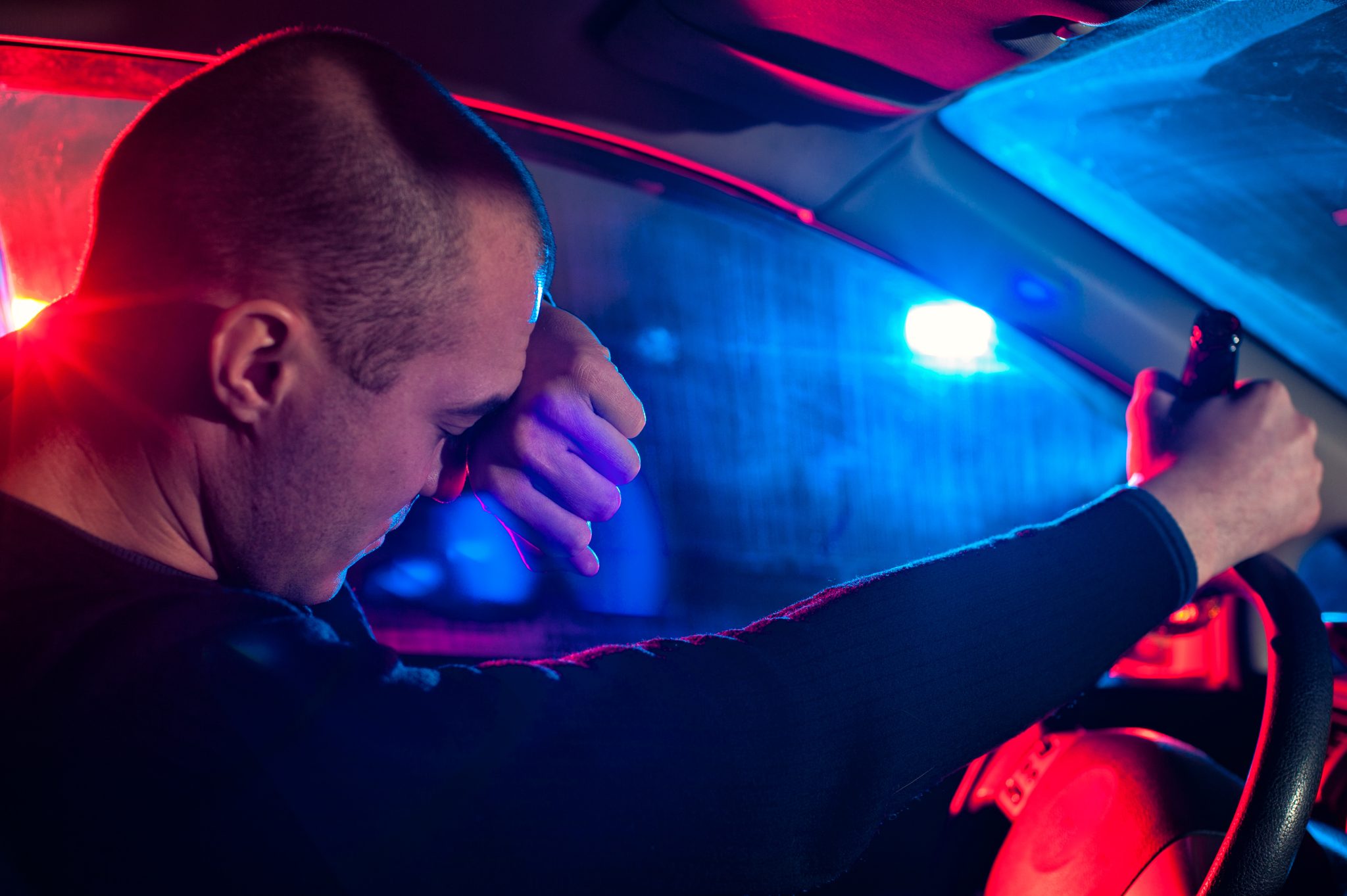
At traffic stops in Canada, one of the most common questions police ask is simple:
“Have you had anything to drink tonight?”
It sounds conversational but it is not. It is an investigative question, and how you answer it can only make your situation worse.
Why This Question Is a Trap
There are three common ways people respond. All three have problems.
1. Lying
Some drivers say “no” even when they have had alcohol. This is a bad idea.
If you later provide a breath sample and alcohol is detected, you are now a proven liar. That credibility loss does not help you at roadside, at review, or in court. Officers note inconsistencies. Adjudicators and judges care about them more than they should in our experience. Strangely, lying gives the police more evidence, not less.
2. Admitting You Drank
Other drivers answer honestly: “I had one” or “a couple earlier.”
That admission becomes part of the officer’s grounds. Depending on the type of demand or proceeding, it may be something the police must prove or something they rely on to justify next steps. Either way, you have just handed over evidence for free.
3. Trying to Explain or Qualify
“I had one with dinner.”
“Hours ago.”
“I feel fine.”
None of this helps. Context does not neutralize an admission. It only creates more statements that can be misunderstood, misremembered, or selectively recorded.
Silence Is Lawful
You are not required to answer that question.
There is no law in British Columbia that obligates a driver to explain whether they have consumed alcohol. You must identify yourself and provide documents. You do not have to participate in informal questioning.
Remaining silent is not an offence. It is not obstruction and is not refusal. It is simply declining to give evidence.
You Will Likely Have to Blow Anyway
Many people worry that staying silent will trigger consequences. The point is you do not need to answer these question in law because there is no law that compels you to answer. It is an attempt to get an admission designed to hurt your case. In reality, you will likely be required to provide a breath sample regardless of what you say. Police have the authority to make a mandatory demand. Your answer to the question does not stop that, and it does not meaningfully affect whether it happens.
So the choice is simple:
- You can give the police extra evidence before you blow.
- Or you can give them none.
What Silence Can Look Like
Silence does not have to mean staring straight ahead and saying nothing, although that is lawful.
There are also neutral, non-incriminating responses that accomplish the same thing without engaging in the substance of the question.
Examples include:
“Lawyer told me not to talk to you.”
“I’m not answering questions.”
“I don’t answer questions not required by law.”
“I’m exercising my right to remain silent.”
“I don’t engage with police questioning.”
Some people prefer vaguer responses:
“I rely on my rights when speaking to police.”
“I’m philosophically opposed.”
These responses do not admit anything. They do not deny anything. They simply draw a line.
What the Police Will Do With Your Words
No matter how polite the conversation feels, anything you say can be recorded, written down, paraphrased, or testified to later. Officers are trained to ask questions for a reason. Answers are not collected for your benefit. Often enough the responses are wrongly recorded and then used against you.
Silence gives them nothing to work with.
A Simple Solution to a Serious Problem
When asked, “Have you had anything to drink tonight?” there is no upside to answering.
- Lying can make you look dishonest.
- Admitting gives the police evidence.
- Explaining creates more problems than it solves.
You are not required to answer. You will likely have to provide a breath sample regardless. The smartest move is to say nothing substantive at all.
We Can Help
If you have had a problem with the police related to driving, impaired driving, or a roadside demand, get legal advice right away. These cases move fast, the timelines are unforgiving, and what happens in the first hours and days often determines the outcome. Waiting or guessing does not improve the situation.
We focus on driving and roadside cases in British Columbia. Our team has been involved in the development of this area of law for years, and are widely recognized as one of the leading law firms in the province.
If your licence, your record, or your ability to drive is at risk, contact us as soon as possible so we can review what happened and tell you where you actually stand.