
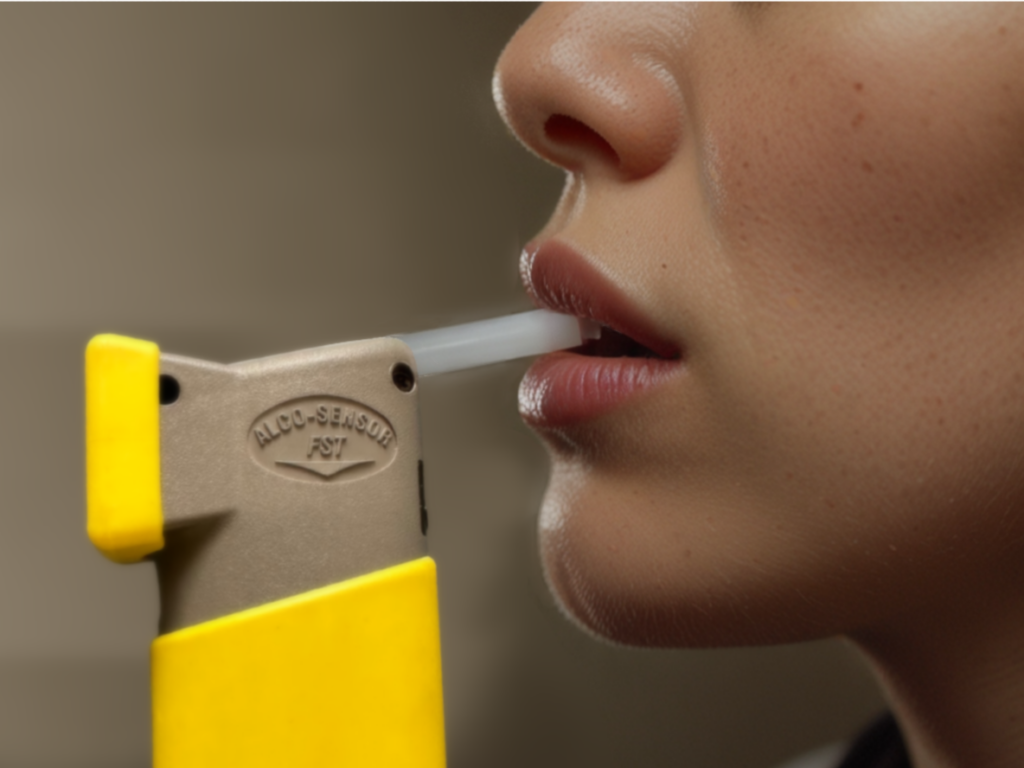
If you’ve ever searched “how to pass a breathalyzer,” you’re not alone. Many people are concerned about how breathalyzers work, their accuracy, and whether there are ways to “trick” the test. The reality is that passing a breathalyzer isn’t about beating the system—it’s about understanding how your body processes alcohol and how these devices work. Let’s break down some critical points about breathalyzer accuracy, alcohol metabolism, and why the system isn’t always perfect.
The First Step: Don’t Drink Over the Limit
The most obvious way to avoid failing a breathalyzer is not to exceed the legal blood alcohol limit. This should go without saying, but knowing how your body processes alcohol is essential. Alcohol is absorbed into your bloodstream primarily through your small intestine, which means that what you’ve eaten can play a big role in how quickly or slowly you absorb alcohol. Consuming fatty foods can slow alcohol absorption, meaning it may take longer to feel intoxicated, but it doesn’t lower your blood alcohol concentration (BAC). If you drink on an empty stomach, you may feel the effects of alcohol faster, but that doesn’t mean your BAC will be lower—it’s just a quicker onset.
How Alcohol Is Eliminated from Your Body
While there’s no magic trick to “pass a breathalyzer,” one reliable factor is time. Your body eliminates alcohol at a relatively steady rate, and the one certain way to lower your BAC is to wait it out. On average, it takes about one hour for your body to process one standard drink, though this can vary based on individual metabolism, weight, and other factors.
Can You Trick a Breathalyzer?
A lot of people believe they can trick a breathalyzer with various home remedies, like sucking on pennies, chewing gum, or using mouthwash. But the truth is, you can’t trick a breathalyzer. In fact, some of these methods can backfire. For example, using alcohol-based mouthwash may actually increase your breath alcohol content (BrAC) reading.
However, there is a lesser-known factor that does impact breathalyzer results—heavy breathing. Because alcohol is excreted through your lungs, heavy breathing or hyperventilating can reduce your BrAC. The problem is a person simply can’t keep hyperventilating. On the flip side, holding your breath could cause a higher reading. These variations are not a way to “pass” a breathalyzer, but they do show how factors other than alcohol consumption, such as breathing patterns, can affect the results.
The Science Behind Breathalyzers
Police breathalyzers in Canada assume a standard ratio of alcohol in your breath to alcohol in your blood, known as the 2100:1 ratio. This means that they assume that for every 2,100 millilitres of breath, there is the same amount of alcohol as in 1 millilitre of blood. However, this ratio can vary significantly from person to person and even within the same person depending on health and how their body is metabolizing alcohol at that moment. If your true ratio is 1,793:1, the breathalyzer will overestimate your BAC, whereas if you’re at 2,211:1, it will underestimate your BAC. This variability is one of the reasons reliability of breathalyzer results is a consistent concern for DUI lawyers such as ourselves.
Breathalyzer Accuracy and Calibration
Even though it’s hard to trick a breathalyzer, the devices themselves aren’t infallible. Portable breathalyzers, ASDs used in roadside stops, can produce false positives due to improper calibration or environmental factors like temperature, operator error or malfunctions. Additionally, these devices may pick up mouth alcohol from burps or recent drinks, leading to artificially high readings. This can impact your ability to pass a breathalyzer accurately.
In Canada, blood tests are rarely performed unless there’s a medical reason, such as a serious injury from an accident. In British Columbia, there are additional ways to challenge the readings. If you’re facing criminal charges, the breathalyzer results can be challenged in court, although the presumption of reliability is written into the Criminal Code. For non-criminal matters, such as a 90-day Immediate Roadside Prohibition (IRP) or an Administrative Driving Prohibition (ADP), or any other prohibition issued based on an Approved Screening Device (ASD) result, the results can be challenged before the Superintendent of Motor Vehicles. These avenues to challenge breathalyzer readings are inadequate in our view, but of course we don’t write the laws.
Legal Consequences of Failing a Breathalyzer
In places like BC, if you refuse to take a breathalyzer test, you could face serious penalties, including automatic license suspensions and fines. If you take the test and the results are incorrect or unreliable, you may be able to challenge those results. It’s essential to consult a lawyer who understands breathalyzer technology and can explore possible defences.
Can You Beat a Breathalyzer?
The search for “how to pass a breathalyzer” is really a search for understanding. While you can’t reliably trick the system, understanding how alcohol absorption works and the limitations of breathalyzers can help you make informed decisions. If you’re facing legal issues due to a breathalyzer test, it’s critical to seek professional advice. Breathalyzers can be wrong, and the right legal approach can challenge inaccurate results.