
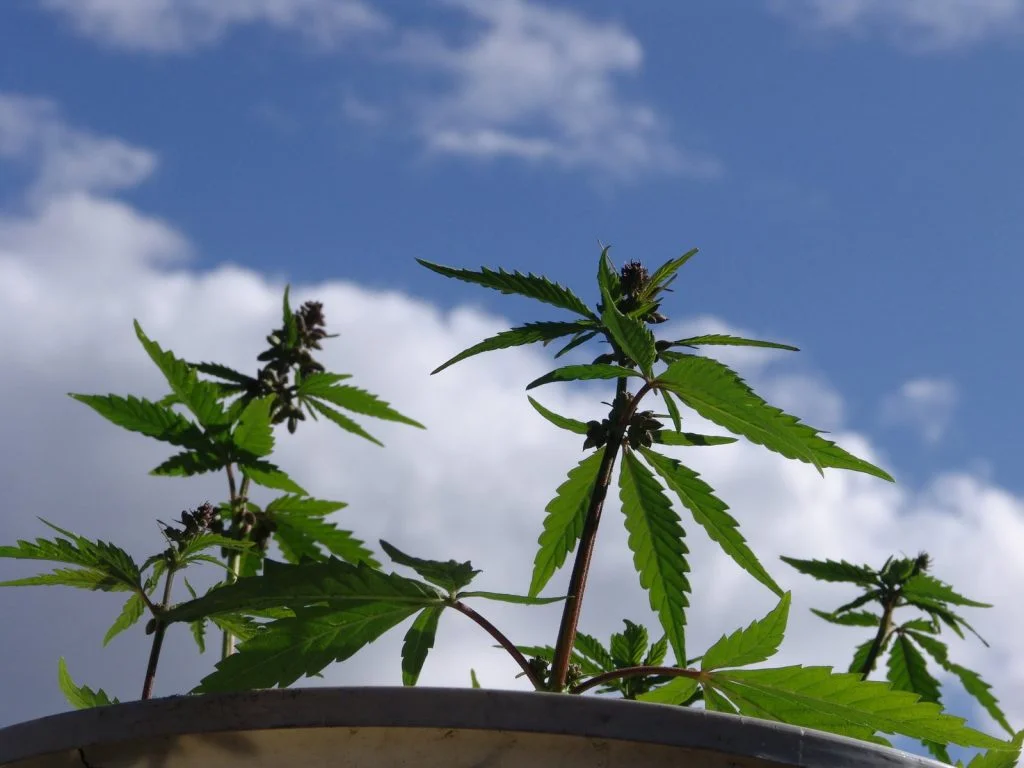
The decriminalization of cannabis marijuana is just around the corner in Canada which means this 4/20 will be special to many Canadians as the final time they can celebrate the holiday illicitly. It also means police will be on high alert and you are more likely to get pulled over if they suspect you of drug-impaired driving. If you get caught smoking pot and driving this 4/20, you need to call us.
The problems with roadside testing for marijuana impairment
Despite the impending legalization of weed, the laws around what constitutes drug-impaired driving are still as hazy as Snoop Dogg’s dressing room. Roadside testing for marijuana impairment can have serious consequences and despite that, it’s far from accurate.
This inaccuracy means countless drivers may face charges of driving while impaired when in fact, their ability to drive has not been affected. We are here to help you if you find yourself in that predicament.
Surprisingly, marijuana users who drive may find their lives considerably worse after the decriminalization of cannabis. The Liberal Government is seeking to pass…
Unlike alcohol impaired driving, where a breathalyzer gives a reading of “Warn” or “Fail” at the roadside depending on the amount of alcohol in your blood, the test for drug impaired driving is subjective. There is currently no device to screen drivers for drug impairment. Instead, if a police officer suspects someone is driving with a drug in their body, they can make the driver perform what is known as a standard field sobriety test (SFST).
You have probably seen some of these tests portrayed on TV or Youtube. Here in BC, police may get you to do things like walk in a line and turn, stand on one foot or follow a pen or pen-like object with your eyes if they think you’ve been smoking pot.
There are inherent problems with SFSTs that we encounter on a daily basis and we know when a police officer has made a mistake. For instance, older drivers will find it more difficult to stand on one leg while someone’s inability to focus on a pen may be the result of an unrelated head injury. The tests have particular steps that an officer must follow in administering them, which increases the likelihood that they will be administered improperly and lead to unreliable results.
In court, proving that someone was impaired by cannabis while operating a vehicle often relies on testimony given by the police officer who stopped you. The officer will come to court and testify about your physical condition, your performance of divided-attention tasks, and the driving pattern that brought you to their attention. That is why it is imperative you seek professional help should you find yourself facing charges.
What will happen if you are suspected of marijuana-impaired driving
There are many reasons why a police officer might suspect a driver has recently been smoking pot. If someone is driving erratically or weaving on the road, for example, an officer may equate the poor driving pattern to the use of drugs like cannabis. They may also smell the aroma of freshly burnt marijuana, or fresh marijuana in the vehicle.
If they suspect you have a drug in your body, they will instruct you to perform an SFST. If they are satisfied you are impaired by a drug, they will take you to back to the police station where you will have to carry out more tests overseen by a DRE. No, Dr Dre hasn’t drastically changed his career direction. A DRE is a Drug Recognition Expert. The results of these tests are admissible in court as proof of the fact that you were impaired by a drug, and what category of drug impaired you.
The results of SFST testing, by contrast, is only admissible in court to show that the officer had grounds to conduct further testing.
What are the potential consequences of a drug-impaired driving conviction?
Instead of proceeding with a full criminal investigation for drug-impaired driving, a police officer can give you a 24-hour driving prohibition and they can impound your vehicle.
In some serious cases, the Crown can pursue criminal charges for drug-impaired driving which could result in a fine of at least $1,000 or even a prison sentence of up to five years. Police can also issue a 24-hour prohibition alongside a criminal charge.
Bill C-46: The future of testing for marijuana impairment
Surprisingly, marijuana users who drive may find their lives considerably worse after the decriminalization of cannabis. The Liberal Government is seeking to pass legislation, known as Bill C-46, that would introduce blood samples and per se THC limits as a means of proving a driver was impaired by marijuana.
The new law would impose a two nanogram per millilitre of blood THC limit on drivers. Anything above that threshold would mean you are driving while under the impaired and you could face a summary conviction and a fine of $1,000. The problem is, measuring THC blood content does not detect impairment. THC is stored in fat cells, which means that even after months of abstinence, you can still have an elevated THC level – high enough to get yourself a criminal conviction.
Bill C-46 also seeks to introduce roadside oral fluid screening devices, which test the amount of THC present in the driver’s saliva. This is problematic for various reasons, not least because the level of THC in the saliva tells us nothing about impairment. Also, no device has been approved for use yet, so big questions remain about what police will even be using, if it will be effective and if officers will be properly trained in using the equipment.
The Bill is a knee-jerk reaction brought on by fear-mongering ahead of the legalization of cannabis and the Government wants to treat testing for marijuana-impaired driving in a similar way to drunk-driving. The fact is, however, the science is just not at the same level – and it may never get there.
Should I contest a 24-hour driving prohibition?
Your driving record is forever. You may have to pay expensive Driver Risk Premiums, on top of your existing car insurance as a result. If you are suspected of crashing your car as a result of drug-impaired driving, Insurance Corporation of British Columbia could refuse to honour your insurance coverage all together, meaning you could be liable for 100% of the costs, such as damage to someone else’s property or even injuries caused to another person. The only way to prevent this from happening is to successfully challenge the prohibition in court.
If your vehicle is impounded as a result of the 24 Hour Prohibition, you will be charged for the towing and other related costs. If the prohibition is overturned, however, this money will be refunded.
If you already have infractions on your driving record, or if you have a Class 7 N license, the 24 Hour Prohibition could be the final straw. The Superintendent of Motor Vehicles may decide you pose a threat to public safety and decide to give you a lengthy driving prohibition. A suspension could result in you losing your job or prevent you from traveling to care for family members.
If you get issued a 24-hour driving prohibition as you celebrate the 4/20 holiday you should not let it ruin your life. There is a dispute process available in BC Supreme Court, and our lawyers deal with these cases. That is why you should have a lawyer in your corner.
At Acumen Law, we have successfully challenged numerous drug-impaired driving prohibitions where our clients were alleged to have been smoking pot and then driving.
If you were given a 24-hour marijuana-related driving prohibition or you are facing a criminal charge call us today for a free consultation. We are here to help.