
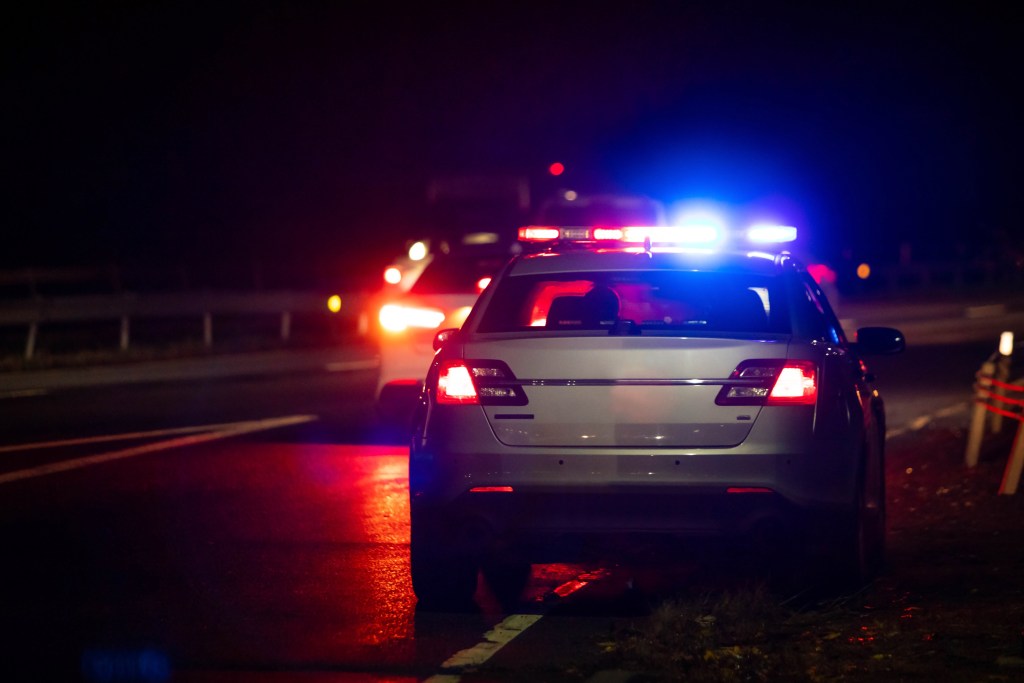
If you’re reading this right now, there’s a good chance you’re either sitting on the side of the road or you just got home from a very stressful traffic stop. Either way, take a breath. Here’s what you need to know.
Being pulled over for impaired driving in British Columbia is one of the most anxiety-inducing situations a driver can face. How you handle the next few minutes matters more than most people realize. The decisions you make at the roadside, before you’ve spoken to a lawyer, before you’ve had a chance to think clearly, can significantly affect what happens next.
What To Do Immediately When Pulled Over
The moment you see police lights in your mirror, pull over safely and promptly. Don’t drive for a long time looking for a spot. The police will direct you to move your vehicle if they think it is not parked in an appropriate place. Pull to the right and stop as soon as it’s safe to do so. Turn off your engine, roll down your window, and keep your hands visible on the steering wheel.
Stay calm.
This part is much easier said than done, but it matters. Officers are trained to observe your behaviour, your speech, your coordination, and your eyes from the moment they approach your vehicle. How you present yourself before a single test is conducted or a single question is asked can factor into their assessment.
What You Must Provide
In BC, you are legally required to provide police with your driver’s licence, vehicle registration, and proof of insurance when asked. You must provide these. Do not refuse or delay. You must state your name and address and the name and address of the registered owner if asked.
Beyond that, you have the right to remain silent about most things. You don’t have to answer questions like “How much have you been drinking tonight?” or “Where are you coming from?” You can politely decline to answer. “Lawyer told me not to talk to you” is a reasonable and perfect response.
Roadside Breath Tests: You Cannot Refuse
If a police officer has a reasonable suspicion that you’ve been drinking, they can demand that you provide a breath sample into an Approved Screening Device (ASD) right there at the roadside. This can even be something as vague as smelling alcohol on your breath.
Police also have the power to demand a sample into an ASD without any grounds at all. There are some preconditions to them using this requirement but assume if they are doing it, they are acting lawfully. Now is not the time to try to dissect the validity of a demand. Leave that for lawyers.
This is not optional. Under BC law and the Criminal Code of Canada, you must comply with a roadside breath demand. Refusing is itself an offence that carries the same or worse consequences than blowing over the limit. Do not refuse.
The ASD will give one of three results: A numerical reading (below 60mg%), Warn (60–99mg%), or Fail (100mg% or higher). Depending on that result, what happens next varies significantly.
Don’t Try to “Act Normal” – Just Be Cooperative
A lot of people think they need to convince the officer everything is fine. In reality, trying too hard to appear sober is worse. Things like over-explaining, being overly chatty, or arguing can quickly backfire. Be polite, cooperative with the legal requirements, and measured. You don’t need to act sober. Trying to be anything other than yourself is just going to make you look off.
After the Roadside Stop: What Comes Next?
Depending on what the ASD shows, you may face one of several outcomes: you could be let go with a warning, if you have an L or N license, you could receive a 12-hour suspension. Or you could get a 24-hour prohibition. If you fail the test, you could receive an Immediate Roadside Prohibition (IRP), or you could be arrested and taken to a police detachment for further breath testing under the Criminal Code. Each of these paths leads somewhere different, and understanding them matters.
If you’ve been given an IRP or arrested, speak to a lawyer as soon as possible. In BC, you have the right to retain and instruct counsel without delay. While you cannot speak with a lawyer before a roadside breath test you can do so after. Police must give you that opportunity before conducting further tests. Don’t waive that right.
One Final Note
The roadside stop is just the beginning of the legal process. Whether things went smoothly or went sideways, the actions taken in the hours and days after a DUI stop can shape your entire case. Document everything you can remember, including the time, the location, what was said, how long things took. And get legal advice before you do anything else.