
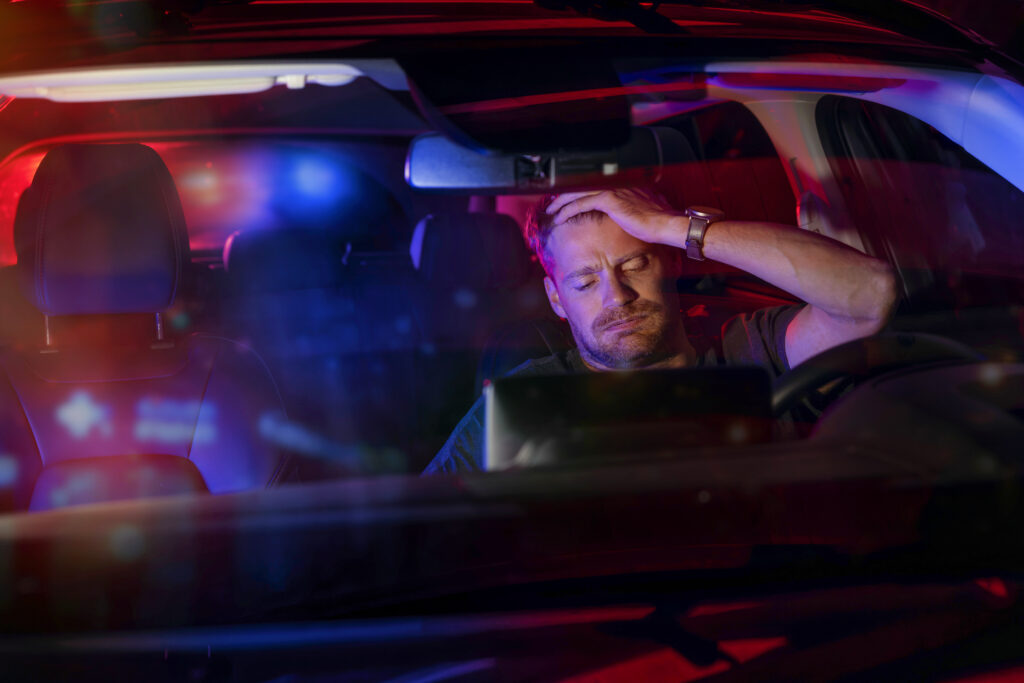
In British Columbia, the Immediate Roadside Prohibition (IRP) program plays a significant role in addressing drinking and driving offences. This system operates alongside the criminal process and offers law enforcement a fast and effective tool for dealing with drivers who blow a prohibited reading on an Approved Screening Device (ASD) or refuse to comply with an ASD demand. Instead of going through the criminal courts, drivers can face immediate administrative sanctions under the IRP scheme.
Immediate Roadside Prohibition (IRP) Overview
The IRP is a provincial program that allows police officers to issue an immediate driving prohibition for impaired drivers based on roadside testing. This program applies to individuals who:
– Blow a warn reading (BAC between 0.05% and 0.079%) or
– Blow a fail reading (BAC of 0.08% or more) on an Approved Screening Device (ASD), or
– Refuse to comply with a lawful demand for an ASD breath sample.
When an IRP is issued, the individual avoids criminal charges but faces immediate consequences such as driving prohibitions, vehicle impoundment, and fines.
Penalties Under the IRP System
The penalties under the IRP system escalate with the severity of the BAC reading and whether it is a first, second, or subsequent offence.
a. Warn Reading (0.05% to 0.079%)
For drivers who provide a breath sample that results in a warn reading, the penalties include:
– First offence: 3-day driving prohibition and a $200 fine.
– Second offence: 7-day driving prohibition and a $300 fine.
– Third and subsequent offences: 30-day driving prohibition, a $400 fine, and mandatory enrollment in the Responsible Driver Program.
b. Fail Reading (0.08% or higher)
For those who blow a fail reading or refuse to comply with a breath test demand, the consequences are more severe:
– First offence: 90-day driving prohibition, vehicle impoundment for 30 days, a $500 fine, and participation in the Responsible Driver Program and a potential referral to the Ignition Interlock Program.
– Second and subsequent offences: Additional sanctions such as further mandatory rehabilitation programs.
Refusal to Provide a Breath Sample
Refusing to provide a breath sample when lawfully demanded by the police results in the same penalties as a fail reading under the IRP program. Drivers face a 90-day driving prohibition, fines, and vehicle impoundment. Refusal can also lead to a criminal charge under the Criminal Code; however, the police often choose to handle such cases through the IRP system for its speed and efficiency.
No Criminal Record for IRP
One key advantage of the IRP system for drivers is that receiving an IRP does not result in a criminal record. This means the individual avoids the long-term consequences of a criminal conviction, such as employment and travel restrictions. However, drivers still face serious penalties that affect their ability to drive and can lead to significant financial costs.
Challenging an IRP
Drivers have the option to challenge an IRP through the Superintendent of Motor Vehicles. Your lawyer may file for a review with the government tribunal. This process must be initiated quickly, as there is a strict seven-day deadline to apply for a review after receiving the IRP. A successful challenge can result in the prohibition being revoked, but it often requires compelling evidence to overturn the officer’s decision.
In some cases, technical issues or procedural errors can lead to the prohibition being lifted. Reviews may focus on whether the breath test was administered properly, if the ASD was functioning correctly, or if there was a valid reason for the refusal.
Program Rationale
The IRP system was introduced in British Columbia as a way to reduce impaired driving incidents without burdening the criminal court system. It provides immediate penalties to deter impaired driving, while reserving criminal charges for more serious cases or repeat offenders. This administrative approach allows the government to address impaired driving swiftly and with fewer resources than criminal prosecutions, while still delivering meaningful consequences.
Impact on Drivers
For many drivers, the impact of receiving an IRP can be severe. Losing the ability to drive for several months can affect employment, especially in areas where public transportation is limited. Additionally, fines, vehicle impoundment fees, and mandatory program costs can be financially burdensome. For those who rely on driving for their livelihood, the installation of an Ignition Interlock Device—a device that prevents the vehicle from starting if alcohol is detected on the driver’s breath—can add further inconvenience and cost.
While it helps drivers avoid a criminal record, The Immediate Roadside Prohibition (IRP) program in British Columbia imposes significant penalties for blowing a prohibited reading or refusing a breath test.
What To Do Next
If you’ve received an Immediate Roadside Prohibition (IRP) or are facing impaired driving charges in British Columbia, it’s important to understand your rights and options. Legal consequences for drinking and driving can have a lasting impact on your ability to drive, your financial situation, and even your livelihood.
Don’t navigate this alone. Contact our team today for a consultation to explore your defence options. We have been the go-to law firm for IRPs and criminal charges in British Columbia for years, and we are here to help you challenge prohibitions, protect your record, and minimize the impact on your life.
Call, text or email us now and we’ll get started right away. There’s is no time to lose if you’ve received an IRP.