
The Royal Canadian Mounted Police were expecting to see their national forensic labs flooded with requests for blood tests after Canada’s new impaired driving law came into effect, but they’ve seen just a small number so far.
The force’s National Forensic Laboratory Services operation receives bodily fluid samples, including blood and urine, that require forensic toxicology analysis to hold up in court.
The Liberals’ new impaired driving legislation introduced three new drug-related offences for drivers who have consumed drugs within two hours of driving. All of them require a positive test from a suspect before a Crown attorney can secure a conviction.
…
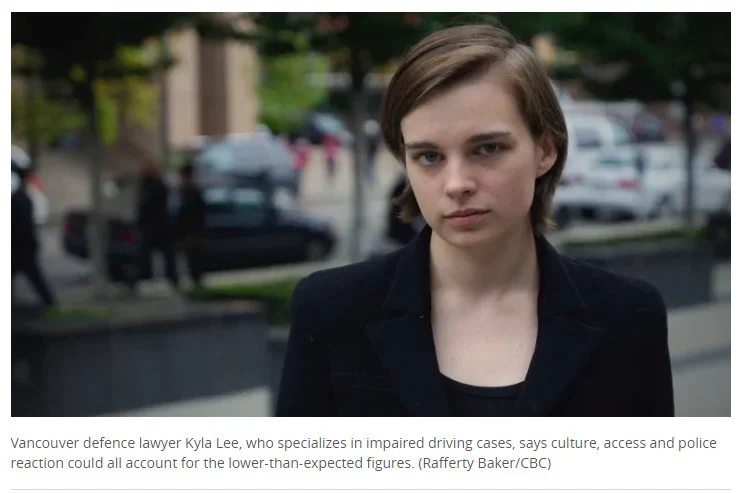
Kyla Lee, founder of the Canadian Impaired Driving Lawyers Association, said officers also could be steering away from blood collection and relying on urine samples.
“Although the Criminal Code now gives the police the power to take blood directly, as opposed to taking somebody to the hospital, no police, at least in British Columbia, have been trained to do that and are doing it,” she said.
“It’s a shame, really, as blood is a better tell for what is in your system and can show the particular concentration, whereas urine is more of a dumping ground for anything and everything.”
Click here to read the full article.