
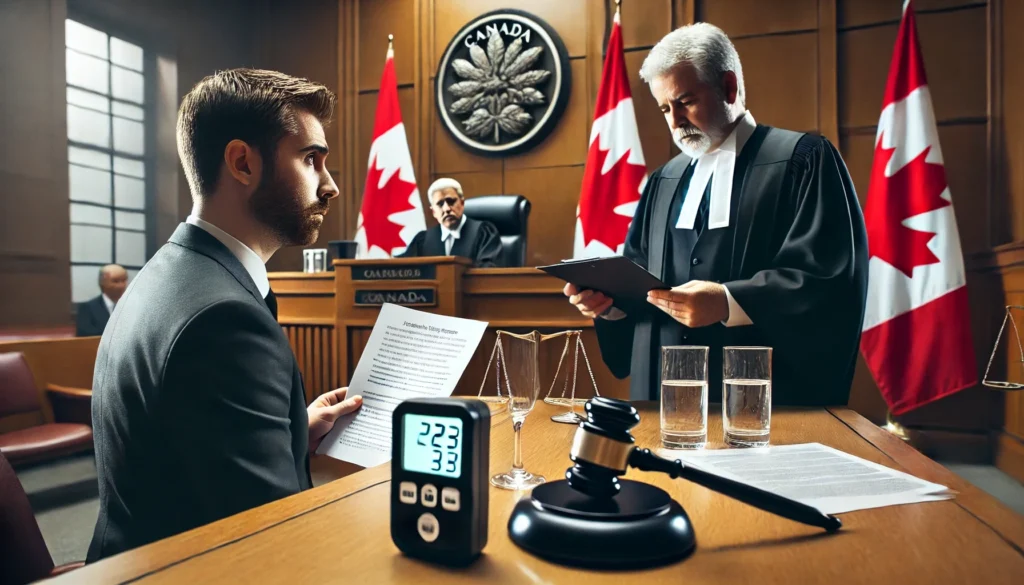
Unjustly Penalizing a Medical Condition
Auto-Brewery Syndrome (ABS), also known as gut fermentation syndrome, is a rare medical condition where the body produces alcohol internally, leading to symptoms of intoxication without alcohol consumption. Certain gut microorganisms, such as yeast species Candida and Saccharomyces or bacteria like Klebsiella, ferment carbohydrates into ethanol. This ethanol is then absorbed into the bloodstream, resulting in symptoms like dizziness, slurred speech, and impaired motor skills, creating the appearance of intoxication without intent. For those with ABS, facing a .08 BAC charge without any alcohol intake is a real possibility.
Recent Research: ABS May Be More Common Than We Think
ABS was previously considered rare, but recent studies indicate it might be more widespread than assumed. Often mistaken for alcohol use disorder or neurological conditions, ABS can be triggered by factors like antibiotic use, gastrointestinal conditions, or high-carbohydrate diets that fuel gut fermentation. Due to its episodic nature and nonspecific symptoms, ABS is frequently misdiagnosed or overlooked by healthcare providers. Increased awareness and testing have revealed that ABS may be significantly underdiagnosed, challenging assumptions about its rarity.
Canadian DUI Laws and the Legal Challenges for ABS Sufferers
Canada’s impaired driving laws create distinct challenges for individuals with ABS due to stringent evidentiary standards. In Canada, impaired driving cases are judge-alone trials, where judges must reconcile contemporaneous BAC results from a breathalyzer with retrospective medical evidence of ABS. High BAC readings during investigations present a mental hurdle, as judges must accept that these levels might result from a medical condition rather than alcohol consumption.
Canada’s 2008 legislative change eliminated the “evidence to the contrary” defense, which previously allowed defendants to present evidence disputing BAC readings based on their physical state. Known as the “innocence defense,” this legal avenue enabled courts to consider conditions like ABS. Without this defense, dismissing BAC results at or over .08 due to uncontrollable medical conditions becomes exceedingly challenging.
British Columbia’s IRPs: A Unique Hurdle for ABS-Affected Drivers
British Columbia’s Immediate Roadside Prohibition (IRP) process further complicates the situation for ABS sufferers. Under the IRP, a “Fail” on a roadside breathalyzer (ASD) leads to an automatic 90-day driving prohibition with no consideration for intent or underlying medical conditions. The IRP system prioritizes swift consequences for impaired driving but disregards medical factors like ABS, which necessitate a more nuanced approach.
Even if an ABS diagnosis is established, the IRP tribunal has wide discretion in interpreting evidence and often deems it insufficient. Appeals of IRP decisions generally favor the tribunal’s original ruling, creating a high barrier for ABS-affected drivers. Consequently, individuals face a system that prioritizes efficiency over fairness, a troubling reality for those whose symptoms stem from a medical condition rather than voluntary intoxication.
Ensuring Fairness in the Justice System
The rigidity of Canadian impaired driving laws raises fairness concerns for individuals with ABS. These laws aim to penalize those who consciously choose to drink and drive, not those unintentionally intoxicated due to medical conditions. While public safety remains paramount, the legal system should address rare cases like ABS to prevent unjust punishment. Adaptations in legal processes are necessary to ensure justice aligns with medical understanding and human rights.