
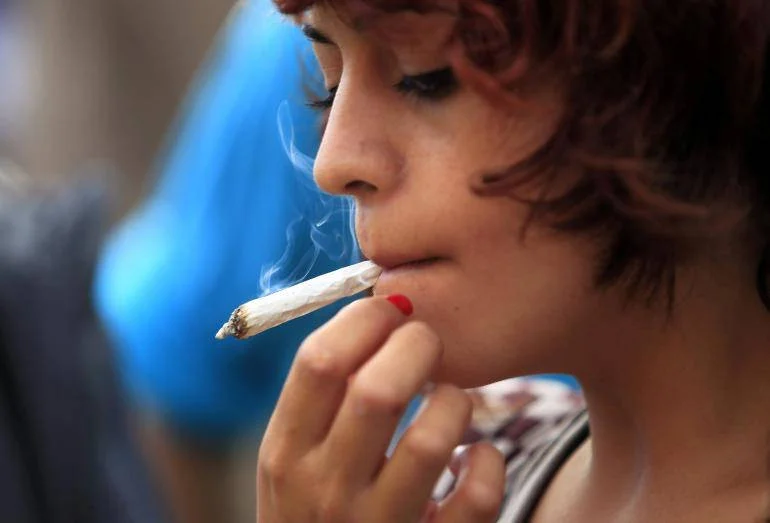
Legal, recreational weed is coming to BC next year.
On Dec. 5, 2017, BC government finally announced its first decisions on legal marijuana regulation. Like alcohol and tobacco, the legal age for cannabis will be set to 19. BC’s Liquor Distribution Branch (LDB) will be the wholesale distributor of non-medical cannabis in BC. There will be a public and private retail model with details of the private cannabis retail model anticipated in early 2018.
While this sounds like big news, BC Government actually has not released a lot of information. Most provincial governments across Canada had already announced similar plans — months before.
After the federal government introduced two bills to legalize recreational cannabis use in April 2017, Ontario announced its plans for legalized marijuana regulations, quickly followed by, in no particular order, Alberta, New Brunswick, Newfoundland and Labrador, the Northwest Territories, Nova Scotia, Nunavut, Prince Edward Island, Quebec, Saskatchewan and even the Yukon. All without a peep from BC.
So it was high time BC announced a thorough and clear policy. Even BC Minister Public Safety and Solicitor General Mike Farnworth admitted every other province in the country has announced what the legal age will be and how they intend to distribute weed.
Vancouver was the first city in the country to regulate marijuana dispensaries, yet somehow, we are last in getting details about how marijuana will be distributed when it is nationally legalized.
The bills, Bill C-45 and C-46, are expected to come into force in July 2018. It’s expected that the federal government will have jurisdiction over production and the provincial governments will determine how commercial distribution is regulated.
That’s not a lot of time. Within the next six months, BC has to have comprehensive marijuana regulations in place, but like a stoner in undergrad, they’re writing their final essay the night before it’s due.
Legal marijuana regulations for private distribution to be announced in 2018
As part of creating its new regulations, government sought opinion from British Columbians through a legal marijuana regulation survey. Those surveyed voiced support for existing dispensaries with a slim majority supporting a mix of private and government operated distribution systems. The BC government, however, will not announce policy on private distribution until early 2018.
Farnworth said existing dispensaries in Vancouver and Victoria might still be able to function if they complied with provincial regulations, which effectively tells these businesses nothing about whether they will still be able to operate come July 2018.
When legal marijuana regulations do come into effect, how are private businesses and dispensaries who have put the effort into establishing legal businesses supposed to adapt in time?
Possession over 30 grams still illegal
The federal government has set a possession limit of 30 grams, though most people who answered the survey said the limit was too low or should not exist, since there is no limit on how much alcohol or tobacco someone is allowed to have in their possession.
Others have pointed out users are not likely going to adhere to the limit since it will hard to enforce. Given what’s included in the report and what we’ve seen so far, we are not expect much leadership from BC on this point.
Obviously, everyone wants to keep marijuana out of the hands of teenagers and so BC will have a legal age of 19 to buy marijuana. But individual commenters and youth advocacy groups, including Child Health BC and the Representative for Children and Youth, maintained underage possession should not be criminalized. We can hopefully expect BC will follow these recommendations and have youths in possession of marijuana fined, similar to existing prohibitions on alcohol. Unnecessarily criminalizing teenagers helps nobody.
Bill C-46 establishes new laws regarding drug-impaired driving with penalties depending on the level of THC (Tetrahydrocannabinol) in blood. As part of their regulations, BC could be investigating additional actions that might include an expansion of the Immediate Roadside Prohibition or Administrative Driving Prohibition programs. But the BC government has not indicated what kind of forensic tools police will need to determine impairment by marijuana, or how police will be trained to recognize levels of impairment, or how any of these regulations will be implemented in such a short timeframe.
There are still many changes coming as a result of legal marijuana regulations. We will keep you up to date about the legal ramifications of the government’s new policies — even if they get in the day of the July deadline.
If you have charge related to cannabis possession or use, give us a call for a free consultation. 604-685-8889.