
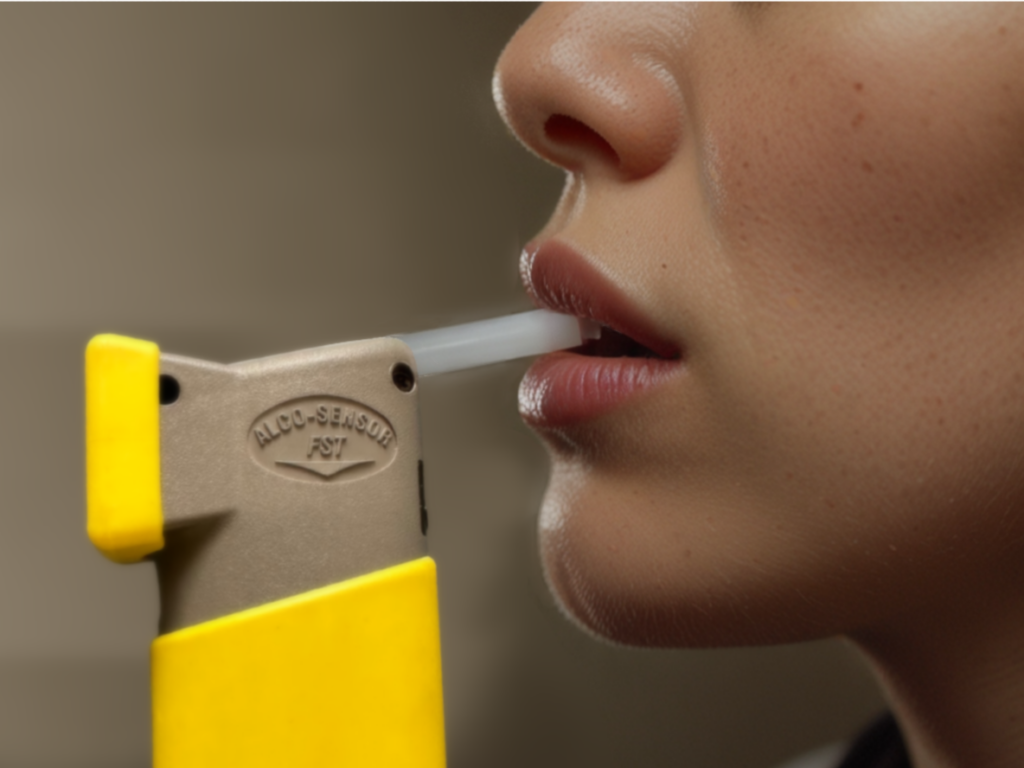
Both “over 80” and refusal are serious criminal charges. In practice, refusal is often treated as worse.
An “over 80” charge is based on a breath alcohol concentration over the legal limit. These cases turn on whether the testing process was lawful and reliable. There may be issues with timing, device operation, procedure, and continuity of evidence. These are technical cases that require careful review of disclosure and records.
Refusal cases are different. The Crown does not need to prove impairment or a specific alcohol level. The focus is on whether a lawful demand was made and whether the person failed to comply without a reasonable excuse. This narrows the scope of potential defences.
Courts treat refusal seriously because it is seen as an attempt to avoid testing. Sentencing principles reflect that view. Refusal often attracts penalties comparable to, or worse than, over 80 outcomes. From a defence perspective, refusal cases can be harder to win because the legal issues are narrower.
There are situations where an over 80 case is weak and defensible. There are fewer situations where a refusal case is defensible. Each case turns on its facts. The point is not that one charge is automatically unwinnable. The point is that refusal usually puts you in a worse legal position.
If you are choosing between refusing and providing a sample in the moment, understand that refusal does not protect you. It exposes you to a different and often more difficult criminal allegation. The better course is to comply with lawful demands and deal with the legal consequences through proper review and defence.