
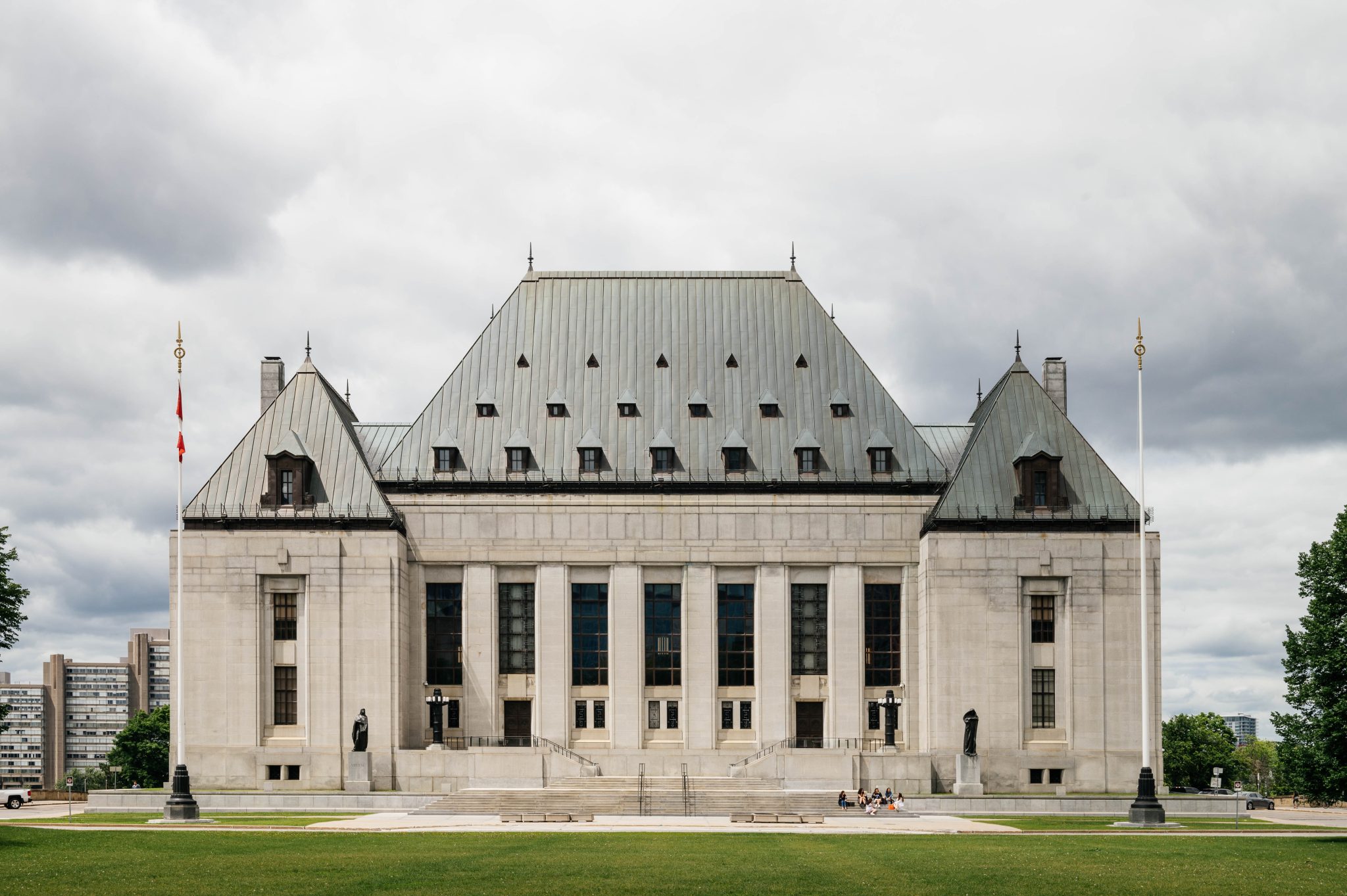
R. v. Singer, 2026 SCC 8
If police have ever shown up at your home in connection with an impaired driving investigation, you may have wondered whether they had the right to be there. Today, the Supreme Court of Canada answered that question and the answer is more complicated than either side wanted.
What Happened in Singer
Late at night, RCMP officers investigating an impaired driving complaint found a truck matching the description parked in a residential driveway on a Saskatchewan First Nations reserve. The engine was running, the lights were on. The officers walked up the driveway, found the driver, Wayne Singer, asleep at the wheel, knocked on the window, and when he didn’t respond, opened the truck door. They smelled alcohol. Mr. Singer failed a roadside breath test and was later charged with refusing to provide a further breath sample in custody.
Mr. Singer argued that the police had no right to be on his property. The Supreme Court of Canada considered that argument today in a 5-4 decision.
What the Court Decided
The majority of the Court held that police investigating an impaired driving complaint have an implied licence a legal permission recognized at common law to enter a residential driveway and approach a vehicle that is visible from the road. Walking up to the truck and knocking on the window, the Court said, is not a search under the Charter. It falls within the same principle that allows anyone, including police, to walk up to a front door and knock.
But the Court also held that opening the truck door was a different matter entirely. That crossed a line. Opening the door was a search and it was an unreasonable one. The police did not have the legal authority to do it in the circumstances.
So the Court found a Charter breach. But here is where many people will be surprised: the evidence was admitted anyway. The majority concluded that the seriousness of impaired driving, combined with the reliability of the evidence and the characterization of the breach as a good-faith misunderstanding, outweighed Mr. Singer’s privacy interests. The conviction was restored.
What This Means for You
If you have been charged with impaired driving following an encounter on your own property, Singer is directly relevant to your case. Here is what you need to know:
Police can approach your vehicle in your driveway if it is visible from the road and they have a legitimate reason to investigate. They do not need a warrant to walk up and knock. What they see, hear, or smell while lawfully present can be used against you.
But police cannot open your vehicle door without independent legal authority. If they did and if they cannot establish that they had reasonable grounds to believe it was necessary to address an imminent safety risk that may constitute an unreasonable search under s. 8 of the Charter.
Whether that breach leads to the exclusion of evidence in your case will depend on the specific facts, including how the officers conducted themselves, whether there were any safety concerns articulated at the time, and the full context of your arrest.
Get Advice Now
The line between lawful police conduct and a Charter breach in cases like these is fact-specific and legally complex. A charge that appears straightforward may involve a significant constitutional issue that could affect the outcome of your case.
If you have been charged with impaired driving, contact us right away. We will review the circumstances of your arrest and advise you on whether your rights were respected.