
When we’ve talked about delay to Immediate Roadside Prohibition cases before, generally we’ve been concerned with the delay in rendering decisions. Practices employed by RoadSafetyBC have historically led to backlogs of thousands of Immediate Roadside Prohibition review decisions. In some circumstances, drivers waited more than two years for decisions exonerating them from their IRPs.
But now the delay appears to have been solved. Or at least, on its face it seems that the backlogs are covered and there is no longer any unacceptable delay to rendering decisions. However, that does not mean the delay is gone.
Instead, it appears from information our office learned this morning, that RoadSafetyBC has now simply moved the delay to another side of the fence.
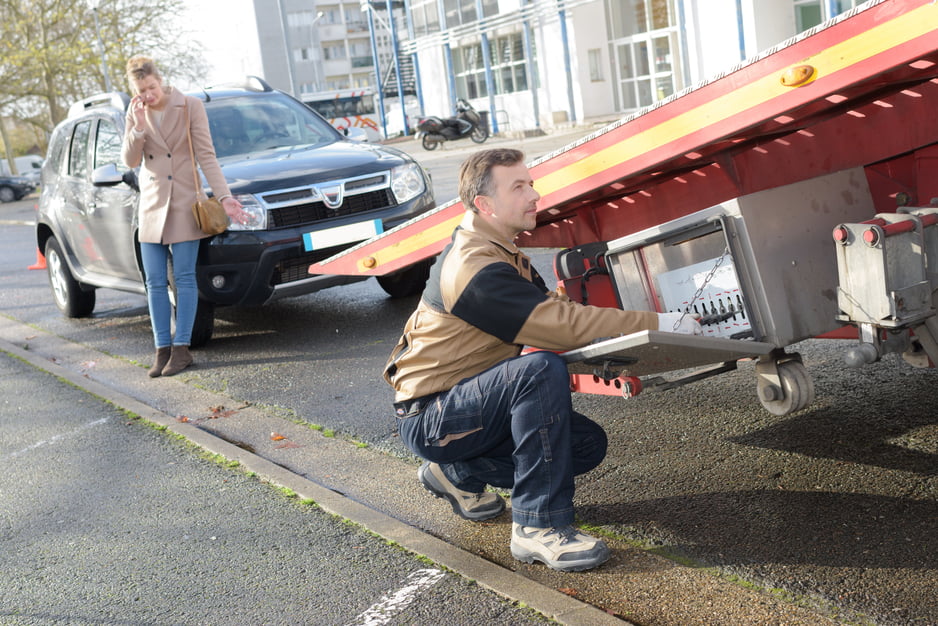
When an Immediate Roadside Prohibition is issued, the vehicle is impounded for thirty days. If the review hearing is successful, the vehicle is released early from the impound and the towing and storage fees are paid by the government. A release order is sent by RoadSafetyBC to the tow yard, which then sends the bill to RoadSafetyBC for payment.
However, it appears that the delay in providing payment has now caused tow yards to refuse to release vehicles to drivers who are lawfully entitled to their vehicles back.
Arguably, this is illegal. The tow yard cannot hold on to the property of the driver without a valid reason, and because the Motor Vehicle Act obligates them to release the vehicle they are mandated to do so. They have been issued an Order of Release by a supervisory body.
However, it is arguably legal under the law of contract. They provided services contracted by government to tow a vehicle, and the government has not made good on their promise to reimburse the tow yard for those services. They are arguably entitled to retain the property they were contracted to tow until they are paid.
Sure the innocent driver suffers in the process, but who cares?
The dispute appears to be solely on the basis of how long it takes RoadSafetyBC to pay the bill. Since they delay just as badly as they did in rendering decisions in paying off their debts, the tow companies are now protesting by refusing to release vehicles.
Despite the fact that the tow yard is taking this position and the dispute is between the tow yard and the government, RoadSafetyBC’s solution is to make the driver pay themselves for the release, and reimburse the driver. And yes, the driver is reimbursed on the same slow-payment program that the tow yard complains about. So rather than, oh I don’t know, solve the problem, RoadSafetyBC just pushes the problem onto the driver.
This is unacceptable.
It is also something that RoadSafetyBC simply cannot do. The statutory authority to make a driver pay the cost of the impound only applies in circumstances where the driver is unsuccessful in the dispute of the prohibition and not in circumstances where they are successful. Reimbursement is no answer. Reimbursement means that the innocent party has to wait to get their hard-earned money back, with no interest, and cannot have access to it now for their pleasure or enjoyment.
In private disputes, it is wrong to punish people who are not involved in that dispute. This is the type of conduct that in a lawsuit would open the door to an award of special costs against the oppressive party. Both RoadSafetyBC and the tow company are guilty of that in this situation.
And both parties need to give their heads a shake and remember that all they are doing is prolonging the unjustified punishment of individuals who have proven their innocence.