
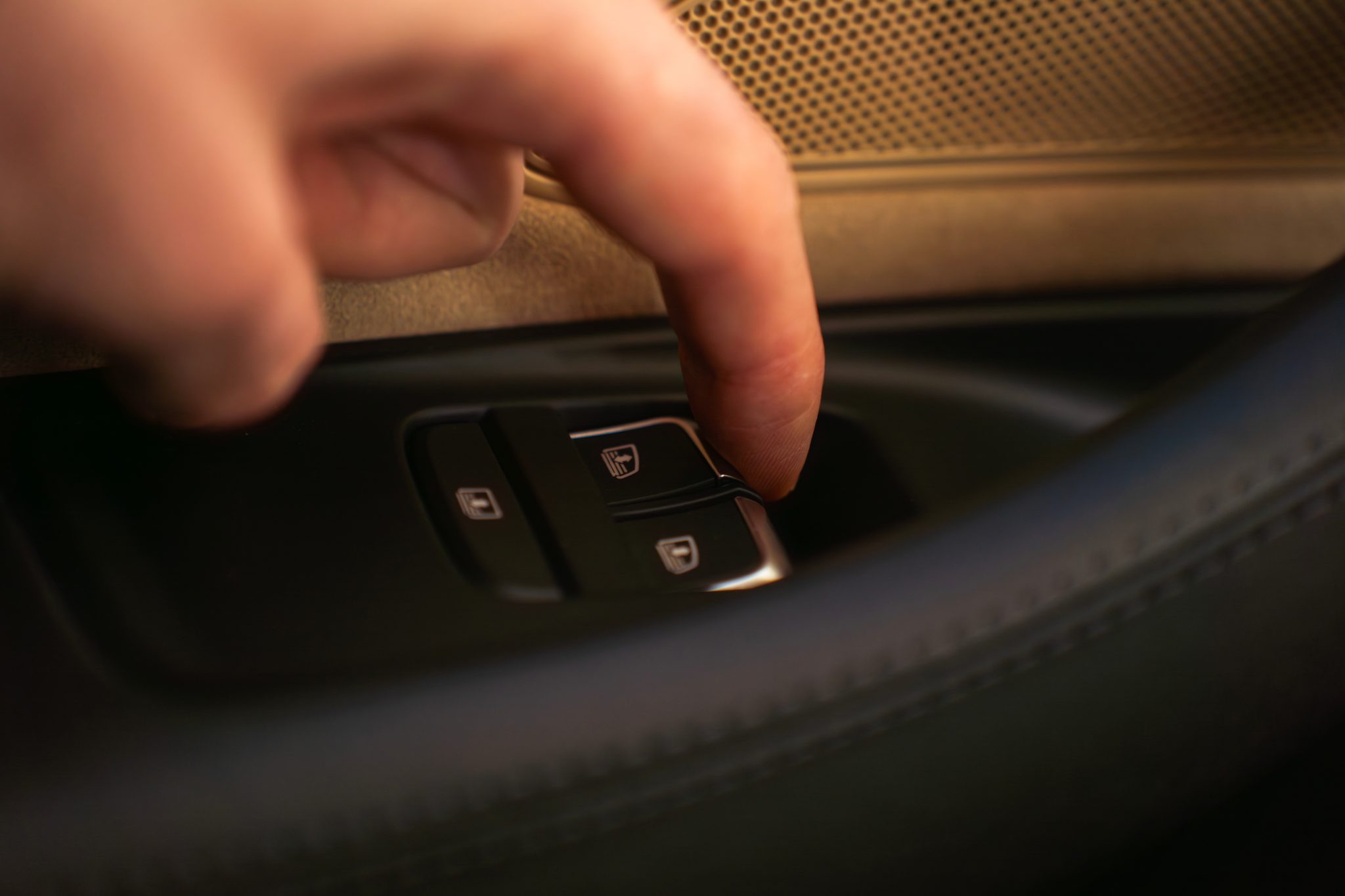
In Canada, and particularly in British Columbia, there is a persistent myth about police traffic stops. It goes like this: there is no law requiring a driver to roll their window down, so if you crack it open an inch, you can “defeat” the police.
The first part of that belief is mostly correct. The conclusion is false.
What the Law Requires
There is no general law in BC that says a driver must roll their window down when stopped by police.
This is what the law requires:
- You must stop.
- You must provide your driver’s licence.
- You must provide your vehicle registration.
- You must identify yourself by name and address.
- You must provide the name and address of the registered owner of the vehicle, if different.
None of those obligations, on their own, require you to roll the window down. In practice, police usually expect the window down so communication is easier, but expectation is not the same as a legal requirement.
This is where the origin of the one-inch window theory.
The Tactical Mistake People Make
Some drivers believe that cracking the window an inch limits the police officer’s ability to do anything further. They think it blocks smell, observation, or conversation. They believe this forces the officer into a box. It does not.
What it usually does is signal hostility or gamesmanship. That alone does not create legal grounds for further action, but it changes how the interaction unfolds. The officer’s tool are far from exhausted.
The Mandatory ASD Demand Checkmate Move
Police in Canada have a statutory power to make a mandatory Approved Screening Device demand requiring a lawfully stopped driver to immediately provide a sample of their breath into a roadside breathalyzer. This demand does not require suspicion. It does not require poor driving. It does not require slurred speech or an admission of drinking.
And that is, in fact, the checkmate move.
Police Can Order You Out of the Vehicle
When an officer makes a lawful ASD demand, they can order you to step out of the vehicle for the purpose of completing the test. If the police officer tells you to, you must accompany them by coming out of your vehicle for the test.
At that point, the window position becomes irrelevant.
You cannot insist on remaining inside the vehicle. You cannot insist on testing through a cracked window. You cannot defeat the demand by limiting access. The officer is entitled to have you exit the vehicle and provide a sample as directed.
This is where many people get themselves into trouble. They believe they are asserting a right, when in reality they are refusing a lawful demand. Simply put, you have no right to stay in your car.
The Consequences of Getting This Wrong
Refusing or failing to comply with a lawful ASD demand carries serious consequences. In British Columbia, this can include a 90-day driving prohibition and longer-term driving consequences. Under the Criminal Code, refusal can also be charged as an offence.
None of those consequences turn on whether your window was legally required to be down in the first place. The moment a lawful demand is made, the focus shifts from window etiquette to compliance with the officer’s statutory authority.
The Takeaway
Yes, it is true that there is no blanket law requiring you to roll your window down during a traffic stop in British Columbia. But you also don’t have a right to stay in your car. You cannot defeat police authority by rolling it down an inch. The law gives police tools to move past that tactic quickly and lawfully.
A mandatory ASD demand followed by an order to exit the vehicle ends the debate immediately.
It’s important to know about your rights, such as your right to silence. Understanding your rights is important. Understanding the limits of those rights is even more important.
If the police have ordered you out of your car or you’ve been subject to a mandatory demand, contact us immediately. We can identify where the police crossed the line and when the police violated your rights. Often we can find a legal remedy that’s helps to get our clients back on the road.