
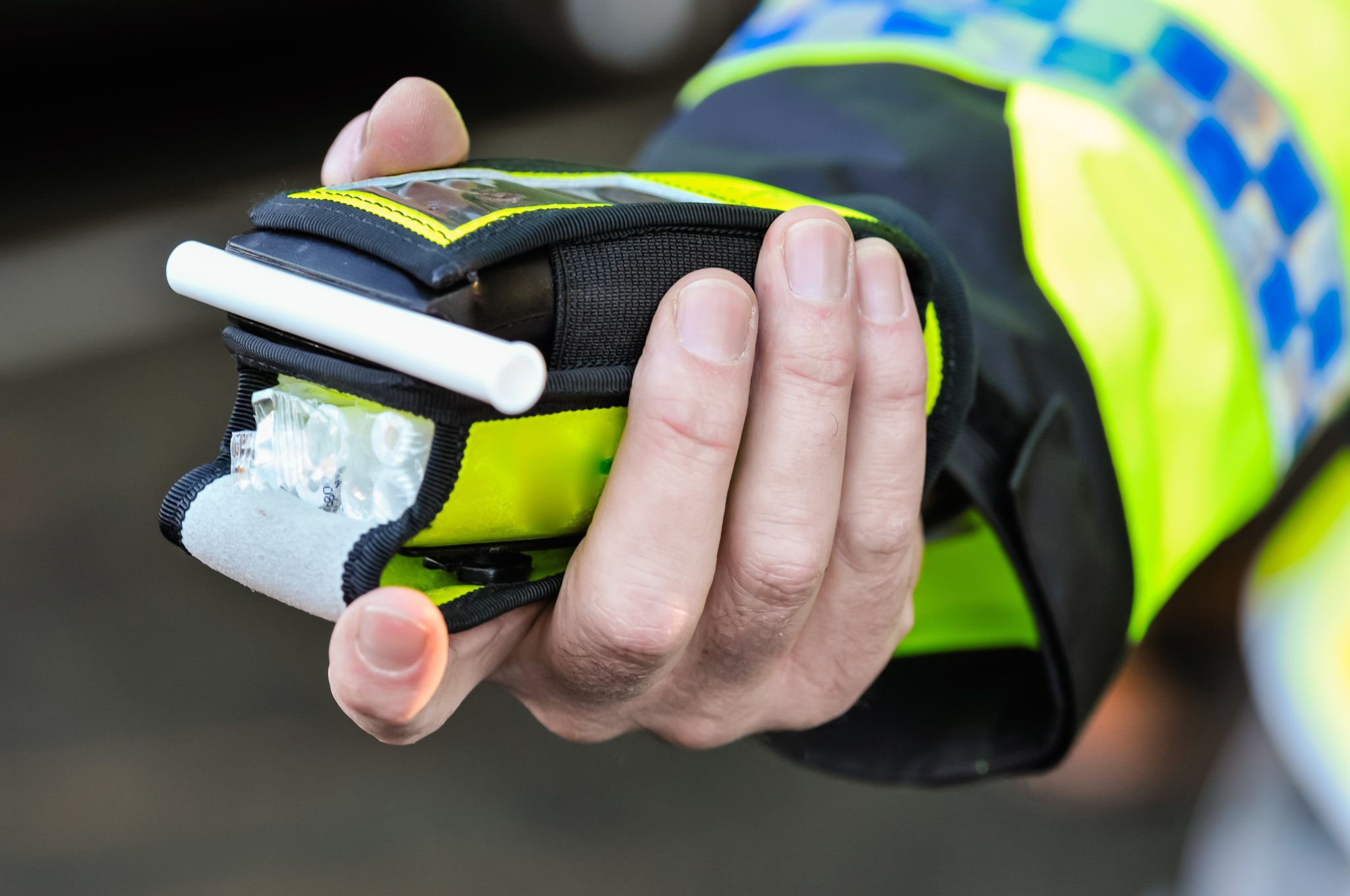
Let’s be honest, folks. If you thought the Charter offered a meaningful shield against overreaching police power in impaired driving cases, you’ve been living a fantasy. The recent ruling in R. v. Jerlo, 2025 ONCJ 586, isn’t just bad for the defence—it’s a declaration of war on procedural transparency, accountability, and the very idea that police need to follow the law they claim to enforce.
This whole saga began when Mr. Jerlo was stopped at a roadblock. The officer suspected Mr. Jerlo had alcohol in his body because Mr. Jerlo was hesitant in responding to questions. Additionally, there was a strong smell of perfume emanating from the vehicle. Yes, I’m serious. Police often claim from “experience” that people wear cologne, perfume, chew gum, or smoke to hide the smell of alcohol.
Based on this evidence, the officer demanded a breath sample using Criminal Code s. 320.27(1)(b), a roadside breathalyzer test based on suspicion. The Crown at trial ultimately agreed this was insufficient to reach the level of reasonable suspicion. Mr. Jerlo should have been sent on his way, rights intact, not guilty verdict.
But he wasn’t.
After all, this is Canada, where public safety trumps your silly little Charter protections. Even though the officer based his demand on flimsy evidence and mistakenly believed the new mandatory breathalyzer demand (s. 320.27(2)) was unavailable to him, the Crown simply pulled a switcheroo at trial. They relied on the mandatory demand, arguing that because Mr. Jerlo was operating a vehicle, it was a lawful stop, and the officer had the ASD, the objective preconditions for a mandatory demand were met. Therefore, the officer was justified in using the roadside breathalyzer.
It didn’t matter that he was relying on a completely different authority. The fact remained that he would have had lawful authority to do it a different way. And that meant that it could just be substituted in place of the unlawful demand.
Here is the monumental, infuriating, terrible takeaway: the court affirmed that the officer’s mistaken, honest, but objectively flawed belief does not invalidate the demand. Why? Because the court decided that the law does not require an investigating officer to declare or even know which demand they are relying on when making a demand for a roadside breathalyzer.
This ruling strips away every layer of defence scrutiny and Charter protection. The mandatory breath testing provisions were introduced precisely to eliminate subjective assessments like “reasonable suspicion,” relying instead on simple, objective factors. The law’s purpose is to deter and detect impaired drivers, which the Court found to be “highly compelling.” Fine, embrace the erosion of privacy. But by removing the requirement to specify the type of demand, the court effectively granted police immunity for incompetence.
If police don’t have to articulate or even personally rely on the proper legal standard, what hope is there for accountability? When an officer fails to meet the suspicion standard (as the officer here did), the court just retroactively substitutes the non-suspicion standard and declares the whole thing lawful.
It also makes absolutely no sense in light of the fact that had Parliament intended to only have one type of demand, they would have eliminated the need for a suspicion-based demand. The language would have just been for one demand by expressly articulating two separate types of demand in the Criminal Code, Parliament clearly intended for an officer to choose the appropriate one for the circumstances.
This creates a completely unworkable system where police can rely on the lowest possible standard after the fact, eliminating the need for proper police work. The message from Jerlo is simply that the ends justify the means.
It’s a bad day for anyone who values police transparency and the rule of law.