
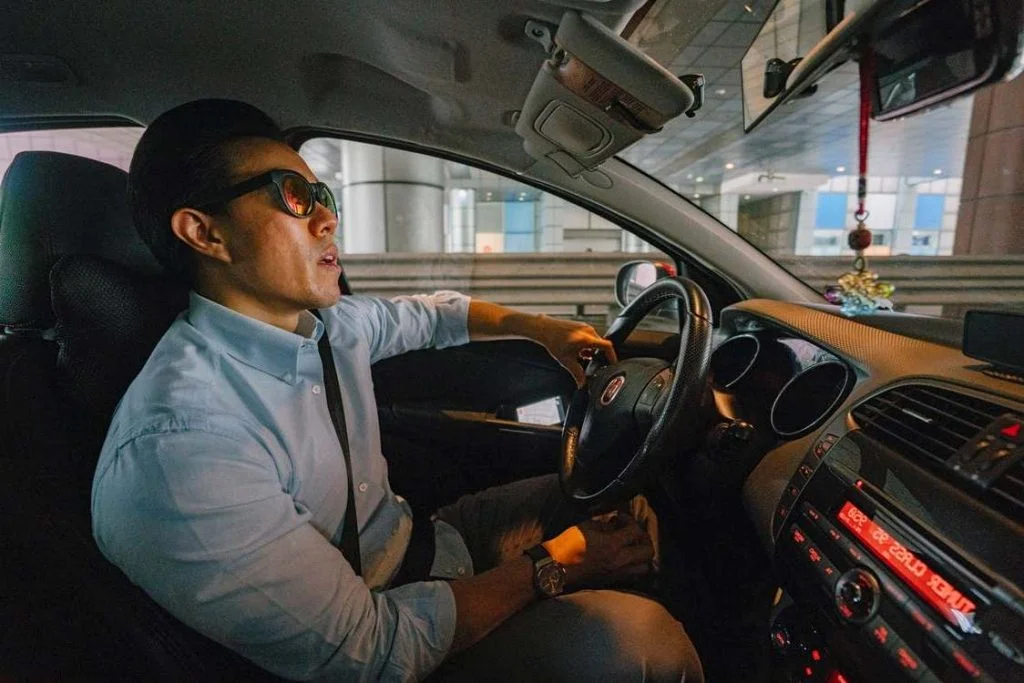
One thing lost in the discussion of random breath testing is the impact that this will have on the police. On an interview yesterday on 630 CHED retired traffic cop, Grant Gottgetreu indicated that he is worried about the flood of complaints from people who think they were asked to provide an Approved Screening Device (ASD) breath sample because of ethnicity or some other illegitimate factor. When you think it through, it’s a clear unintended consequence of the new arbitrary testing law. If you are part of a minority group and you’re asked to provide a breath sample, the first thought that may come to your mind may be that you’re being asked to blow because you’re (insert your ethnicity here).
Many will come to the conclusion that the reason the police are demanding that they blow is their ethnicity.
It’s true that sometimes we see what we conclude is flat-out racism in police dealings with our clients. It is, however, rare. We’re need to be alert to the fact that it happens and considering the number of instances we can think of off the top of our heads, it is a significant concern for us. There have been, however, many cases over the years where our clients were certain they were targeted by race and we weren’t convinced.
Often clients tell us that such an such aspect of their dealing with the police was, to them, a result of racial prejudice. As we listen our ears perk up. We’re defence lawyers so we’re on the lookout for Charter breaches and ethnic discrimination is near the top of the list. Usually, however, when we get the full story it’s fairly clear that the police who dealt with our client simply employed the standard procedures they do each day and for good reason, regardless of ethnicity. Sometimes it’s difficult to explain to someone who is certain they were targeted and received unusual treatment that, in fact, they were treated no differently than anyone else.
You may be surprised to know that we’ve talked countless people out of making complaints about the police. If you’re charged with a criminal offence, making a complaint about the officer who arrested you is almost never a useful tactic to defend your case and besides, holding bitterness close to your heart will do nothing good for you. The problem, however, is that racial prejudice continues to exist, regardless of training, education and good intentions. It doesn’t mean that the officer dealing with you is necessarily guided in any racist manner. But when you’ve experienced discrimination there is a good chance you feel that particular feeling of apprehension about the racism that you fear will come when you’re pulled over. And that’s a big problem.
A painfully complex problem
Think about the complexity of that for a moment. Start with the accepted premise that people who have either experienced racial prejudice or even know others of their ethnicity who have experienced racism will be that much more uncomfortable and fearful when they’re pulled over. They’re wondering why they’re in their car with a police cruiser behind them. They’re wondering what will happen when that officer approaches. They’re scared.
Now, accepting all of that, think of the difficulty for the police officer. These days police officers, particularly in multi-ethnic regions such as the Lower Mainland, have been trained and schooled and reflected on their role in these circumstances. They need to think about the job they need to do, but also about how they will be perceived by the driver who has all of these worries sitting in their car with that cruiser parked behind them.
For the police this is tremendously difficult. The unenviable task of policing requires that they take into account the perceptions of the driver and their passengers. They need to consider how each word may be misunderstood. They need to reassure while enforcing the law. It’s tough.
Being a police officer isn’t easy
Why should we care? Many of us start with the assumption that the police are in a powerful position and they can tough it out. Many of us still sting from being the victim of poor policing. The flaw in this reasoning is the same as the flaw in racial prejudice: it omits the fact that each person is an individual. Labeling the police with a big brush is really no different than racial prejudice. We may see some commonalities from officer to officer — that’s a given. When you get to know police officers you see that they are as diverse and human as the rest of our interesting mix of humans.
The unenviable task of policing
Having watched on video and first hand many impaired driving investigations, we’re often struck by the difficulty these investigations pose for the police. The legal requirements are complex and, unfortunately, there are suspects who stymie the investigation and make it a real pain in the ass. One small mistake and the case might fall apart. Usually there is a good reason in law for the case falling apart, but it’s frustrating nevertheless. When it comes to criminal impaired driving cases, many officers come to the conclusion that they’re damned if they do and they’re damned if they don’t.
Random breath testing in a multi-ethnic country
Thinking it through, Grant Gottgetreu is spot on the money when he says that officers will face more police complaints, more disciplinary actions, and more headaches than ever before due to the new random breath testing provisions. And you need to ask yourself, in these other countries where they have random breath tests, such as Germany and Finland, do they have a multi-cultural society? Are there significant minority groups visible by skin colour who have suffered a long history of racial oppression? In Finland? In Germany?
Angela Merkel stated the obvious, Germany is a country mostly populated by Germans living a historic lifestyle of Germans. If you’re pulled over by a German police officer in Germany, chances are you’re a German driving in Germany.
This is Canada
Officially we’re multi-cultural. Random breath testing is a different gig altogether in a country like Canada. Every contact with police may be understood as an issue of race. Police officers, attuned to the concerns may be well equipped to deal with the complexity of these interactions, but that does not mean drivers won’t feel they’re being targeted by race. For the police, that will become a problem.
A perverse result
The nice thing about the old ASD law is that the police had a test. Drivers understood that the reason they were blowing is because the officer had a reasonable suspicion that the driver had alcohol in their body. Now many will come to the conclusion that the reason the police are demanding that they blow is their ethnicity. How can you deal with this as a police officer? The government took away the test — how can you avoid an accusation of racism?
One method: don’t test anyone from an ethnic minority. Can you stop all the Chileans driving away from the party at the Chilean Cultural Center? If the test was making the demand on the basis of alcohol in the body, then yes. But otherwise? As a police officer you have a problem that raises the specter of a perverse incentive.
In the example of the Chilean Cultural Center (who picks on Chileans?) the safest thing you can do as a police officer to avoid uncomfortable accusations is not to stop the people driving away from the party. The intention of the law: catch more drunk drivers. The result of the law: police are reluctant to stop certain drivers because there is a significant downside risk for the officer.
Abusive police vs. police who are abused
Police officers, generally speaking, hold themselves and other officers at a high standard. We’re often very impressed with the police we deal with. Vancouver Police traffic officers often know the case law better than some of the less experienced lawyers in traffic court. In circumstances where you might want to just pull out that taser, Surrey RCMP officers often show tremendous patience in executing their duties. The task of policing is unenviable in our opinion. It is made that much worse when the government changed the law and put them in a greater position of peril.