
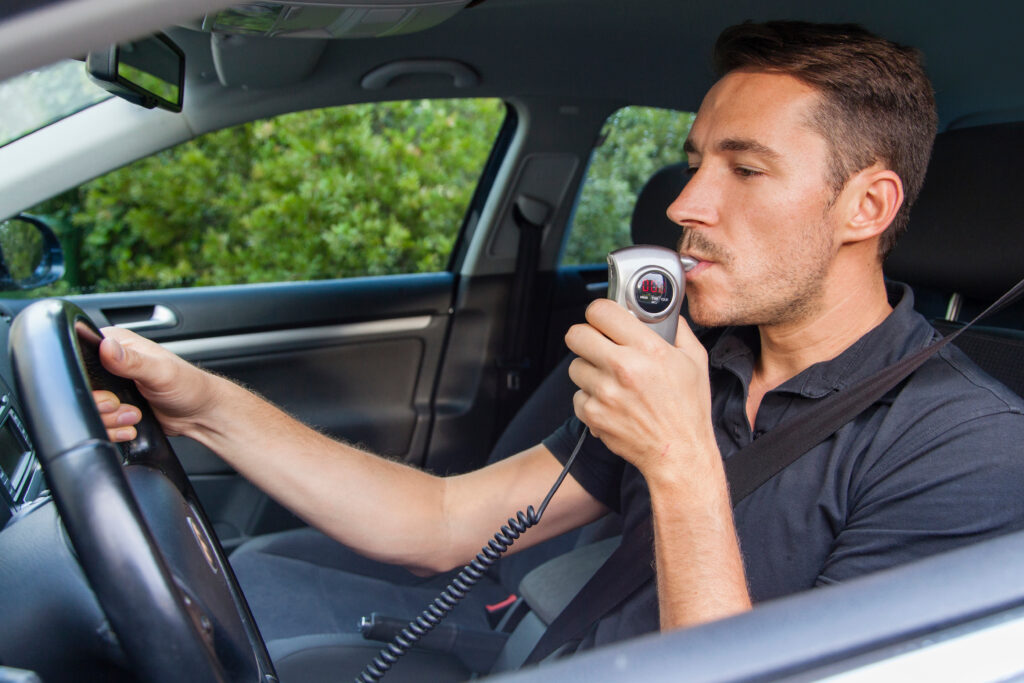
As one of the many significant legislative changes that Joe Biden announced, he created legislation requiring US car manufacturers to have passive alcohol-sensing devices installed in all new cars manufactured in the United States.
This rule will not apply to cars manufactured outside of the US, but it is likely that ultimately, they will require all imported vehicles to also have alcohol screening devices as part of a future legislative amendment.
These new legislative changes have been celebrated, as a great success in the fight against impaired driving, but it also raises concerns about privacy rights where people’s information, while they’re in their vehicles, is being tracked by said vehicle and then provided to the government authorities.
What about Canada?
A big question has been raised about whether it is likely we will see this in Canada.
Realistically, it is possible for the federal government, through Transport Canada regulations, to regulate that any car imported into Canada has to have passive alcohol sensing technology.
But a significant difference between Canada and the United States is that the car manufacturing industry is not as significant an industry here as it is there. And in fact, many of the cars we drive here are cars that are brought in from the United States, or cars that are brought in from Europe or Asia.
This means that it is not as easy for the Federal government to regulate what should be included in the vehicles during the manufacturing process. That being said, if cars are manufactured in the United States and are required to have alcohol screening devices, we may see this technology installed in cars, but simply not activated in Canada and this could become the norm within the next several years.
The other significant difference between Canada and the United States is that there is a difference between who can make regulations about vehicles.
While Transport Canada can create regulations that have to do with minimum safety standards for vehicles, and while the Federal government can regulate under the Criminal Code to create laws related to criminal behaviour, when it comes to laws that have their ‘pith and substance’ road and highway safety, that is the exclusive legislative jurisdiction of the provincial governments.
Alcohol screening devices and their effects on impaired driving laws
Realistically, this would not significantly affect impaired driving laws. Passive alcohol sensing technology detects the presence of alcohol, and while it might potentially be used to alert law enforcement that a driver has an odour of alcohol coming from them, it doesn’t necessarily mean a person could be convicted of impaired driving.
It also could end up complicating impaired driving investigations. If such technology is used to alert law enforcement that a particular driver should be investigated, then the concern is raised about other sources of alcohol.
There are many common products that are not illegal to use while driving that contain alcohol, such as breath fresheners, perfumes, hand sanitizer, mouth wash and even food products. The passive alcohol sensing technology could end up tying up law enforcement resources by causing them to investigate people who are innocent and have not consumed any alcohol whatsoever.
It could also be very difficult to discern the source of alcohol in situations where you have sober drivers driving intoxicated passengers. This could pose problems.
Similarly, vehicles that are being used by people who work at places where they’re around alcohol, such as bartenders or servers, could be falsely subject to impaired driving investigations because the alcohol screening devices don’t detect the quantity or concentration of alcohol in a person’s system, but merely the passive presence of alcohol near the driver’s seat.
While it certainly is a laudable goal to try and use technology to stop impaired driving before it starts, technology that is not ready to accomplish this goal because it cannot adequately discern between drinking alcohol and other lawful sources of alcohol, is technology we should be very cautious about.
At the end of the day, it should be kept in mind that it is not illegal to drink and drive, it is only illegal to drive if you are impaired or your Blood Alcohol Concentration is above the legal limit. Passive alcohol sensing technology makes more sense if we were taking a zero-tolerance approach across the board to the consumption of alcohol and driving.
But since this isn’t the law, this technology seems at odds with our legal system and what is lawful in Canada.