
Recent stories of Canadians being blocked from entering the United States post-cannabis legalization have justifiably reignited the haze of confusion around visiting our neighbour to the south. In the build-up to October 17, there was concern that once recreational marijuana became legal, those who legitimately work in the cannabis industry would be prevented from entering the US, where the plant remains illegal in most states and on a federal level.
That worry was eased after the US Customs and Border Protection (CBP) gave Canadian cannabis workers an early legalization present by reversing its previous policy. The CBP issued a statement saying “A Canadian citizen working in or facilitating the proliferation of the legal marijuana industry in Canada, coming to the U.S. for reasons unrelated to the marijuana industry will generally be admissible to the U.S.”
It was a major reversal of its previous position that working in the cannabis industry in Canada or US states where it is deemed legal “may affect admissibility to the US”.
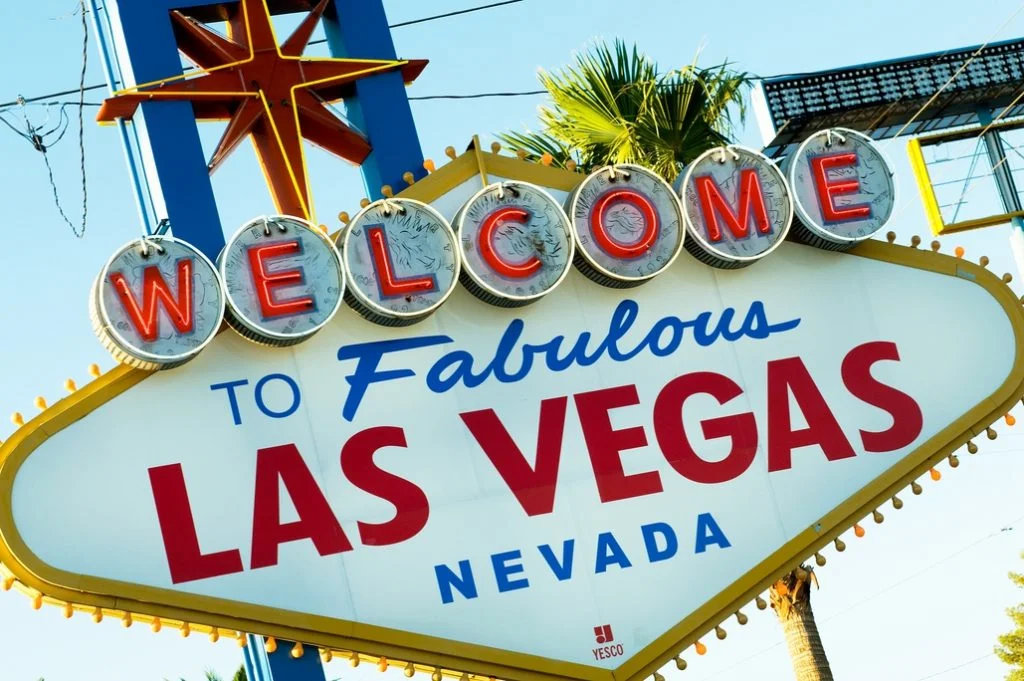
That was the last we heard until this week it emerged a Canadian cannabis investor travelling to Las Vegas for a cannabis conference and to tour a cannabis facility said he was questioned when he tried entering the US. He had reportedly been flying from Vancouver and when the border guards found out about his business interests, they banned him for life. At least another 12 people going to the same conference were reportedly detained for hours by the border authority.[pullquote][/pullquote]
“If your profile is a picture of you taking a massive bong hit, it’s a good idea to take it down.”
This has once again called into question the kind of treatment Canadians working in the cannabis industry can expect when they travel to the US. Could they be prevented from entering or, worse, receive a lifetime ban?
Why were Canadians blocked from entering the US?
You might be confused about the legal status of cannabis in the US. With good reason.
Marijuana is legal in a number of states, including Washington, California, Colorado and Nevada, where the conference was being held. Despite the product’s legality at state-level, it remains illegal on a national level. Since the American border is controlled federally, it is still an illicit substance in the eyes of those determining whether to allow people into the country.
This can lead to some strange situations, such as people driving over the border from British Columbia to Washington. In both places, you can use cannabis openly. It’s only the border where it’s illegal.
So what happened with the Canadians travelling to the Las Vegas conference? Well, although the US government issued a statement saying Canadians working in the Canadian cannabis industry would be deemed admissible, the same protection does not apply for Canadian citizens who are travelling to the US for reasons related to the US cannabis industry.
The gentleman going to Las Vegas was likely banned for life because he admitted going there for reasons related to the US cannabis industry.
What you should know
If you are a Canadian crossing over to the US you should be very careful if you are questioned about cannabis by a US border official.
So say you’re a British Columbian going to Seattle for the weekend and the border guard asks if you’ve ever used cannabis. If you tell them you have, even if it was only once in your life, you can be subject to a ban on entering the United States for life.
Lying to the officials could make the situation even worse. If they search your phone or social media and find evidence of marijuana use you could be exposed to further action.
What advice does the Canadian government have?
The Canadian government has been fairly helpful when it comes to telling people what to do about entering the US. This webpage says you shouldn’t try bringing cannabis over the border (well, duh!) but it does warn previous use of cannabis “could mean that you are denied entry to the US” and “Canadians travelling for reasons related to the cannabis industry may be deemed inadmissible”.
This is good advice but it does not warn people of the potential consequence of being banned for life – something the poor guy travelling to the Las Vegas conference probably wishes he knew before answering the border guards’ questions.
Things you can do if you are planning a US trip
If you are a Canadian blocked from entering at the US border and you are being questioned about cannabis your instinct might be to call a lawyer. In fact, you have no right to a lawyer at the border.
What you do have, however, is the right not to incriminate yourself. You can simply choose not to answer the questions. The best advice for anyone who is asked and concerned about the impact of the answer is to withdraw their application to enter the US and try again another day.
Another thing you should do is to clean up your social media and web presence. Quickly searching Google or finding someone’s Facebook, Twitter or LinkedIn account can be enough to tip off border officials that someone works in the cannabis industry. So if your profile is a picture of you taking a massive bong hit, it’s a good idea to take it down.
US Border officials can also seize your phone for up to five days to glean information from it so you may want to ensure documents are encrypted or off your phone entirely.
With the federal legalization of cannabis in the United States looking like it’s a long way off, you can expect this uneasy situation at the border to continue for the foreseeable future.