
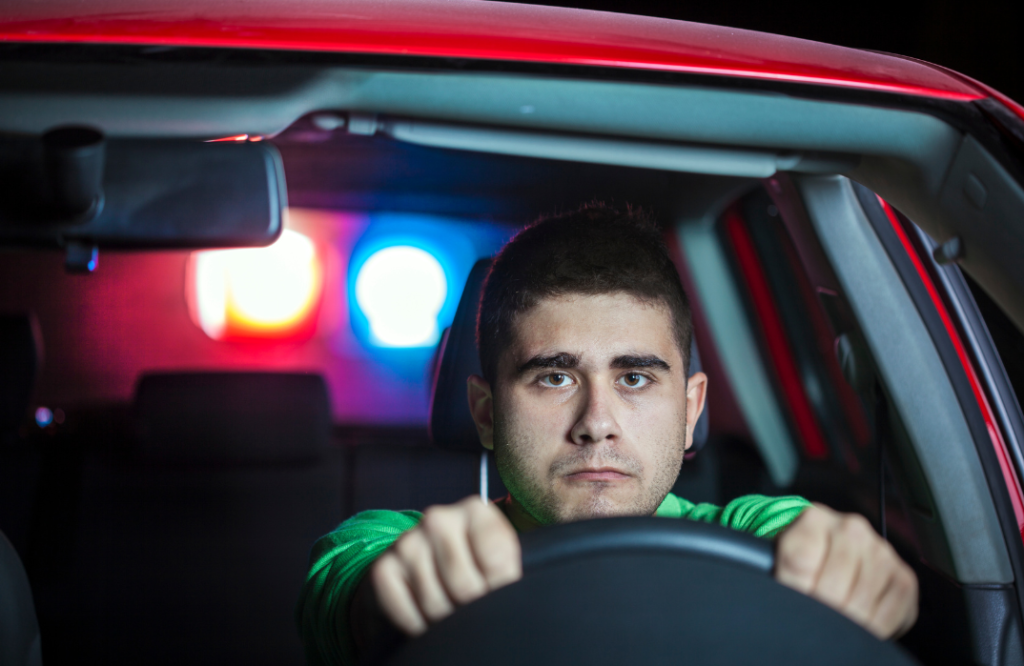
If you watch police drama shows like “The Wire” you have a pretty good idea of the concept of “good cop, bad cop” in police interrogations. It’s a psychological tactic used in negotiations and interrogations in which one police officer plays the role of the “good cop,” attempting to be sympathetic and understanding, while the other plays the role of the “bad cop,” adopting a more aggressive and confrontational approach.
Police actually use this method in Canada but not quite in the way that they do it on TV.
Although they may lie to a suspect and often subtly suggests that giving a statement will have some benefit down the road, the bad cop is usually more threatening by demeanour and words that they can deny as not being threats.
More often the “good cop” appears to be sympathetic to your situation and the “bad cop” wants to throw the book at you. When it comes time for interrogation, (what the police call an “interview”) there is a natural tendency to try to win the favour of the good cop. Even when they have talked to a lawyer, a subject will make damning statements to the “good cop.” The surprise at the end is that the good cop was just as bad, and pretending to be their friend.
Some people are hurt by the heartbreaking reveal. Turns out the good cop wasn’t on their side.
Good cop in a DUI investigation
In DUI cases, it usually starts with a traffic stop. The driver hopes they look innocent and that the officer will be friendly or non-attentive. The police know people are counting on this. The “good cop” at a DUI stop will try to build rapport and establish a sense of trust with the driver.
They may say things like “I just want to make sure you’re okay to drive” and often they will say “okay” in response to statements of the driver. Caring statements suggest to the driver that the cop that pulled them over might be on their side.
Bad cop in DUI investigations
Bearing in mind that most DUI investigations are conducted by one cop, where does the bad cop come to into play? The bad cop is the breathalyzer.
When it comes time to blow, the investigating officer may be very nice and friendly. This is useful to get cooperation from the person who is under investigation. Often people will make admissions like “two drinks an hour ago” thinking this will help them and the good cop will respond that you should be okay then. It’s at this point that the breathalyzer comes out.
When the investigator presents the Approved Screening Device (the roadside breathalyzer) they are introducing the driver to their friend, the bad cop. The breathalyzer is intimidating and creates a heightened sense of fear.
The bad-cop breathalyzer says that you are over the limit. In BC you’re about to be arrested or issued a 90-day Immediate Roadside Prohibition. What does the investigating good cop say? “Are you sure you only had two beers? You look fine.”
At this point, many people will start talking to the officer before them to try and gain some sympathy. They may make statements that end up being used against them. Many will have a faint hope that the officer will take pity on them despite the reading from the bad-cop breathalyzer.
Understand what’s happening in the good cop, bad cop scenario
The investigating officer in this case doesn’t care about you, the driver. If anything, they’ve been indoctrinated to believe that anyone who drinks and drives is the worst person ever and that they, the cops, are heroes for catching them. The tactic is used in a manipulative way, with the goal of getting the driver to be more compliant and reveal information.
How to deal with “Good cop, bad cop” in a DUI case
There are things you can do to cut the damage in this scenario. First, try and stay calm and focused. Shallow breathing can cause more nervousness. It’s a feedback loop. When you get nervous, you have shallow breathing. The shallower your breathing, the more you feel the sense of nervousness. Try to breathe.
Try to avoid getting emotional. The good cop, bad cop routine is designed to get an emotional reaction from you. Don’t let your emotions cloud your judgment. Try to think about the situation. Don’t allow yourself to be swayed by the good cop. Don’t let your guard down.
Most importantly, know your rights and obligations when you are under investigation for drinking and driving. You must identify yourself, and provide your driver’s license and insurance documents. Those are your obligations.
After that, you have a right to silence. You have a right to not answer where you came from, where you are going, what you had to drink or when you last ate or drank anything. Aside from identification information, all you should say is “my lawyer told me not to talk to you.” That is your right, both to tell the officer that and to be silent from then on.
The key to dealing with a good cop, bad cop DUI scenario is to remain calm and composed, don’t let your emotions cloud your judgment, and know your rights.
You also have a right to retain a lawyer to represent you to dispute every type of DUI that we have in BC. Nobody defends DUI cases the way we do and we’ve succeeded in thousands of them. If the police took your vehicle and license due to a DUI, call us right away.
I heard cops stick together and defend each other even if they are wrong. this scares me, since they have the gun and stick. I had a friend who became a cop. When she was young, she was training to be a cop, but knowingly living with a big drug dealer. I needed police help or advice, at least, so turned to her. She didn;t even respond. The situation I needed help with was serious and even life threatening. I’m quite sure the reason she can’t respond to me is because she is a bad cop. I don;t know what to do. I thought on tv, bad cops get shot???