
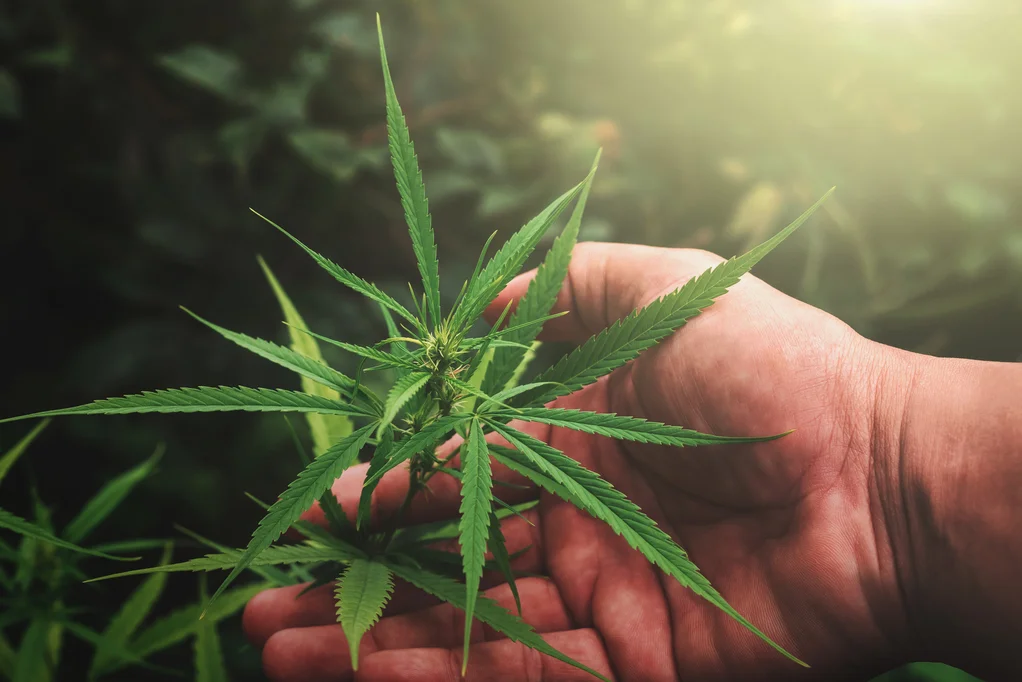
As we near the one year anniversary of the legalization of marijuana the first year of transition was a rocky start for government-regulated recreational cannabis. There remains an ongoing clash between the accessibility of marijuana and the legal regulations concerning its use.
Accessibility after marijuana legalization
Despite not being legal until last year, marijuana use had been common in British Columbia for many years both for recreational use and medicinal use. Since marijuana was so commonplace, it grew to become very accessible. One of the issues over the past year in British Columbia is that through legalization and new laws and regulations governing its use, marijuana has to a certain degree become less accessible.
While marijuana dispensaries have closed down over the past year either voluntarily or as a result of government enforcement actions, the same amount of legal dispensaries have not opened and marijuana has not been as accessible to its regular users as it had been in the past.
This has become a significant problem for many medicinal marijuana users. Many of these users no longer have access to the products they relied on to manage their pain or health concerns. The products available to them now are either unaffordable or do not offer the potency they rely on for their medical issues.
A spike in overdoses in the Greater Victoria area recently prompted an alert from Island Health, this spike has coincided with the closure of some of the major marijuana suppliers which had been an alternative to stronger opioids for those who are medicinal users.
There are many cases like this where dispensaries are staying open looking to help those who rely on their product, but are now subject to significant fines and penalties while their consumers have been left with limited alternatives.
Regulation after legalization
Part of the issue leading to this clash between Accessibility and Regulation is due to the incredibly difficult and arduous process of applying and receiving a provincial license.
For this reason, the legal retail options for recreational marijuana remain relatively limited, yet the laws regulating the use of recreational marijuana are based on using marijuana that is accessed through legal means.
We see an example of this within the Cannabis Control and Licensing Act. Section 81(1)(b) states that an Adult must not operate a vehicle, whether or not the vehicle is in motion, while there is cannabis in the vehicle. Although one of the exceptions to this in the Act is if the cannabis was produced by a federal producer, it is still in the packaging from its purchase by a consumer and the packaging has never been opened.
The concern with this is of course that this is a very specific exception which only allows cannabis to be transported for personal use if it is from a federal producer. This is not only an issue because of the aforementioned lack of accessibility of these legal retailers, but it also reinforces into law the ridiculous packaging requirements for these products which has been a consistent area of debate since legalization began.
As we approach the anniversary of legalization this month it is clear we still have a long way to go in addressing this ongoing clash between accessibility and regulation, however, these concerns have not gone unnoticed and hopefully these issues will begin to be resolved as we enter our second year of legalization.