
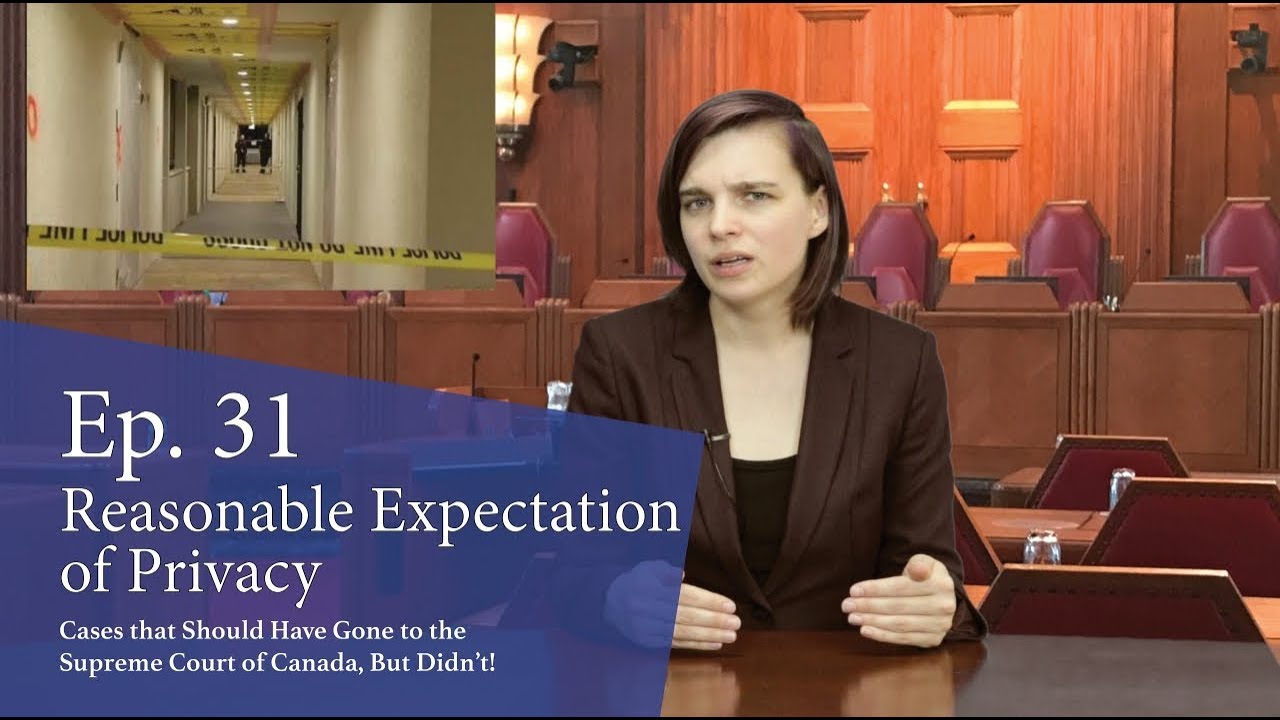
Welcome to Cases That Should Have Gone to the Supreme Court of Canada, But Didn’t! This week, lawyer Kyla Lee discusses reasonable expectation of privacy in regards to police searching the common areas of an apartment building for evidence.
Acumen Law Corporation lawyer Kyla Lee gives her take on a made-in-Canada court case each week, and discusses why these cases should have been heard by Canada’s highest court: the Supreme Court of Canada.
Frederic Wilson lived in a condominium building and the police conducted surveillance on him because they believed he was involved in drug related offences. When they surveilled him, they didn’t get a warrant and they didn’t enter his condo unit, but rather they searched the common spaces of the condo such as the lobby, elevators and hallways to gather evidence to show that he was involved in illegal activity.
Wilson appealed his conviction at trial on the basis that the police did not have the right to surveil the common spaces of the condo without obtaining a warrant and that the police violated his reasonable expectation of privacy in doing so. The Court declined to offer him any relief on the appeal, finding that the common areas of the condo did not have a reasonable expectation of privacy associated to them.
The Supreme Court of Canada had the opportunity to say that “privacy rights change the same way as everything else changes to reflect the realities of modern day life and we at the SCC are not so old fashioned to think that you only have the right to privacy if you live in a house.” Unfortunately the SCC declined to hear the issue which means that police can basically set up and surveil a condo unit and you may become a part of that surveillance and become part of an investigation, even if you didn’t do anything wrong.
Watch the video for more.
See more: