
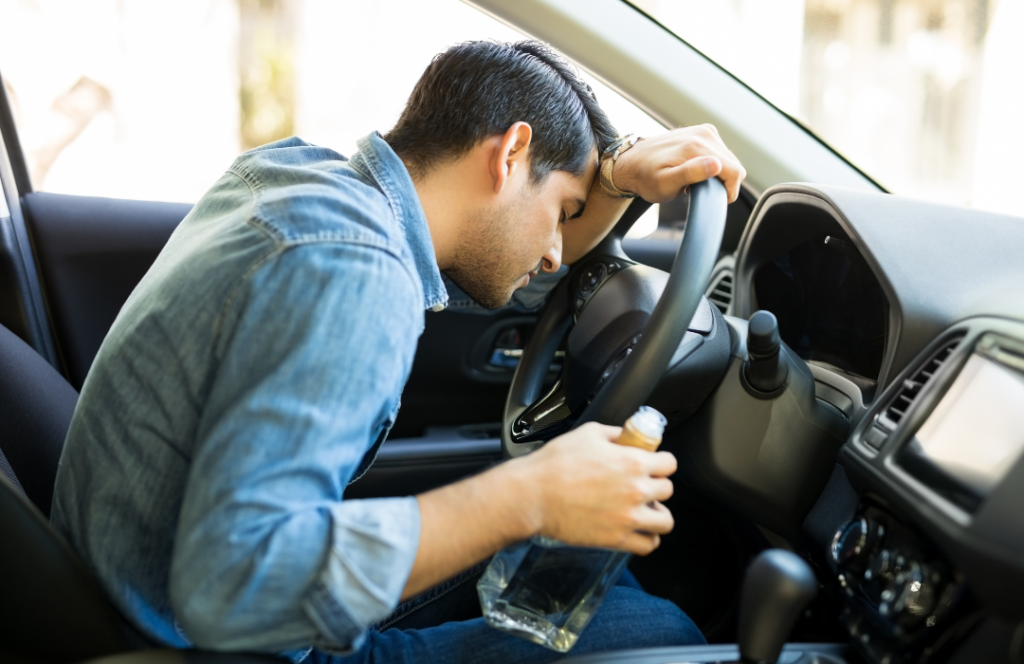
In a society that prides itself on fairness and equal treatment, it is disheartening to witness instances where the law appears to disproportionately affect some of the most vulnerable among us. For example, consider the implications of BC’s DUI laws when they target individuals living in their vehicles. It’s time we talk about the unjust consequences of the Immediate Roadside Prohibition legal scheme as faced by impoverished individuals, particularly those forced to reside in their vehicles.
A gentleman called us recently, in his early 60s who, due to a workplace injury and soaring rental costs, found himself living on the fringes of society. With his permission, we share his story to shed light on the struggles faced by many in similar situations.
This fellow was renovicted from the apartment he had lived in for years. Because of the housing crisis and skyrocketing rents, he could not find another apartment. Unable to afford a permanent residence, he resorted to purchasing a van to provide himself with a semblance of shelter. However, even this minimal form of security was short-lived when he was stopped by the police.
Under current Canadian law, police officers can subject individuals to a breathalyzer test, known as an Approved Screening Device (ASD) test, regardless of their apparent sobriety. This indiscriminate testing places those living in their vehicles at a significant disadvantage. In the case of the fellow we spoke with, he was required to provide a breath sample but the ASD failed to accept his attempts to blow. From our assessment, it appears he was medically incapable of meeting the parameters of the ASD.
What followed was a chain of events that further underscored the systemic unfairness imposed upon impoverished individuals. This fellow was issued a 90-day driving prohibition, rendering him even more isolated and limited in his ability to support himself. To compound matters, his van was impounded for 30 days, leaving him without shelter. Inside the impounded van, food would spoil and potentially damage the van itself. The impound lot will allow him access if he pays the full towing and storage fee upfront. He does not have that money right now.
The process to dispute the driving prohibition is arduous and financially prohibitive for those with limited means. To dispute the prohibition he needed to file the dispute within 7 days. He had no way to get to town in the 7-day period and missed the dispute. Even if he had a ride, the dispute fee would have been $200 and he could not afford that.
In this case, the man lacked the transportation, the funds, and the means to pay the dispute fee, making it nearly impossible for him to contest the impound and prohibition. Given the nature of the argument, i.e. an incapacity due to a medical/physical reason, he would need to hire a lawyer to put together this argument or he would likely not succeed in challenging the prohibition.
90-day Immediate Roadside Prohibitions for alleged refusal disproportionately impact impoverished individuals, particularly those living in their vehicles due to poverty. The punitive measures imposed in these cases exacerbate their already dire situations.
Consider, as well, who is responsible for the housing crisis. We have observed the ever-worsening housing crisis over the last 20 years in BC. It is now a national problem. Governments at all levels have some control over the construction and regulation of new housing and certainly have the capacity to fund the construction of affordable housing.
The municipal governments control zoning and permitting, which is often the first major impediment to new housing construction. The province controls taxation, transportation via roads, highways and transit as well as the distribution of incentives and Crown land which could be used for new communities. The federal government can provide financial incentives for the construction of new homes. They can also make it easier for construction workers to immigrate to Canada to alleviate the labour shortage.
The housing crisis is now a national problem. Most of the tools to deal with it are provincial and municipal. The IRP legal scheme is provincial. The government has failed to ensure housing security. Then, when people resort to living in their vehicles, the police can seize the vehicle if the resident is not healthy or strong enough to provide a breath sample for an ASD.
The indiscriminate testing, punitive measures, and lack of accessible avenues for justice perpetuate an unjust system that disproportionately affects those who need to live in their vehicles.